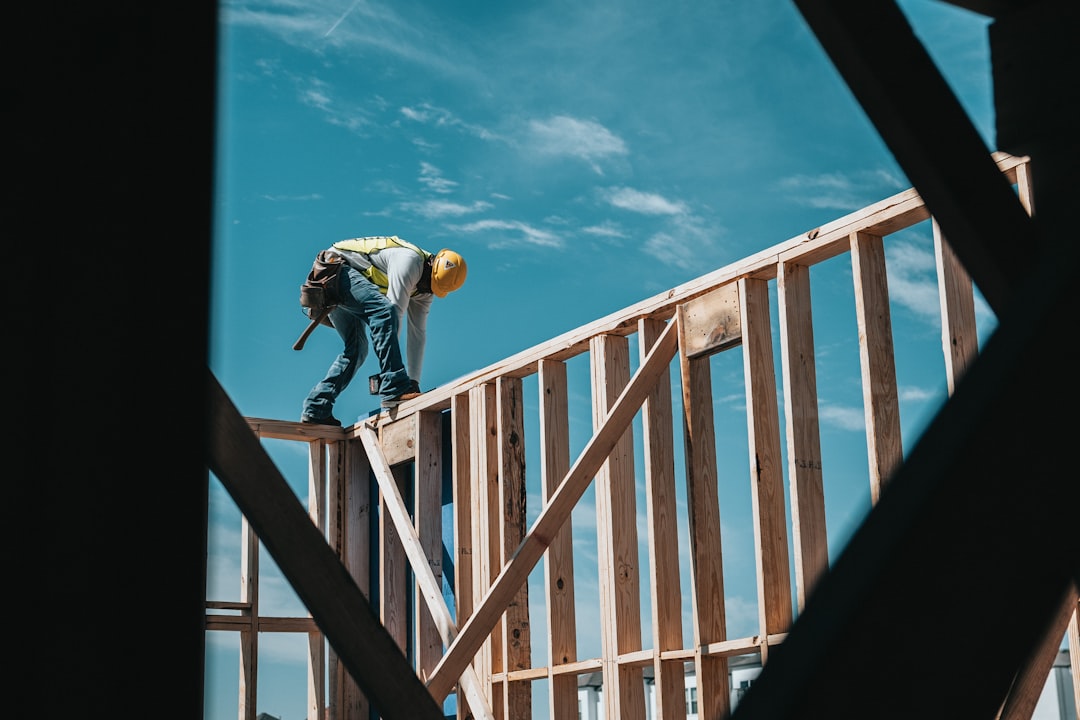
When construction projects face tight deadlines, traditional onsite building often slows everything down. Unexpected delays and rising costs are common when weather, site conditions, or permit issues intervene. Transportable building products provide a practical alternative by letting you fabricate sections offsite under controlled conditions. These modular units arrive ready to set up, cutting onsite work dramatically. Factory settings mean better quality control and fewer surprises than typical builds. For example, a transportable office can be delivered to a remote mine site within weeks rather than months.
Local providers frequently get overlooked when people doubt their ability to handle modular buildings. But many have deep networks with suppliers and contractors nearby. These connections mean faster access to materials and crews familiar with transportable setups. A regional firm might already own cranes and trucks suited for moving large prefabricated panels. They also understand local regulations and can speed approvals. That groundwork reduces downtime and keeps projects moving smoothly.
Budget overruns often stem from poor planning or unexpected site complications. Using transportable components helps control costs by limiting onsite variables like weather delays or labor shortages. Since the bulk of work happens away from the site, there’s less risk of damage or theft too. A common practice is to review progress weekly with all parties to catch issues early, this prevents expensive last-minute fixes. Clear contracts specifying delivery and assembly timelines also protect against overruns.
Communication is a frequent stumbling block in construction projects, especially when multiple contractors are involved. With transportable buildings, it’s vital to set up straightforward communication channels from the start. Regular meetings between project managers, clients, and installers help keep expectations aligned. Many teams use shared digital platforms to track schedules and document changes instantly. Without this clarity, misunderstandings about delivery dates or setup requirements can lead to costly delays.
Determining exactly what you need before ordering transportable units saves time and money. Assess the space needed, intended use, and site access carefully. For instance, narrow roads might restrict large deliveries, requiring smaller modules or alternative routes. Temporary offices during renovations require different specs than permanent classrooms or clinics. Consulting with experienced installers early can reveal practical considerations like foundation requirements or utility hookups that might not be obvious.
Budget limits don’t have to compromise quality when using transportable buildings. Thoughtful planning lets you prioritize features that matter most while trimming extras that add little value. Some companies negotiate bulk discounts for repeat modular orders or reuse components across sites to reduce expenses. It’s common to allocate budget for contingency repairs or modifications once modules arrive onsite since minor adjustments are often necessary to fit specific locations.
Transportable buildings simplify meeting key performance indicators (KPIs) tied to efficiency and scalability. Their design supports quick expansion or relocation as business needs shift. For example, a growing healthcare provider might add new patient rooms by connecting additional modules instead of building from scratch. Regular maintenance checks scheduled after installation help preserve structural integrity and avoid downtime caused by unexpected repairs.
Considering transportable building products means weighing how well they fit your operational goals. Their flexibility suits sectors like education, healthcare, or commercial ventures where speed and adaptability are crucial. Understanding load capacities, insulation standards, and energy requirements upfront ensures the modules perform as needed. Some clients keep detailed logs of delivery times and installation challenges to refine future projects and improve coordination.
transportable building products offer more than convenience; they represent a practical shift towards efficient construction tailored to specific demands. Engaging local providers with a clear plan and open communication can save time, reduce costs, and deliver reliable results quicker than traditional methods. If you want , consider how transportable buildings can meet your needs without the usual headaches.