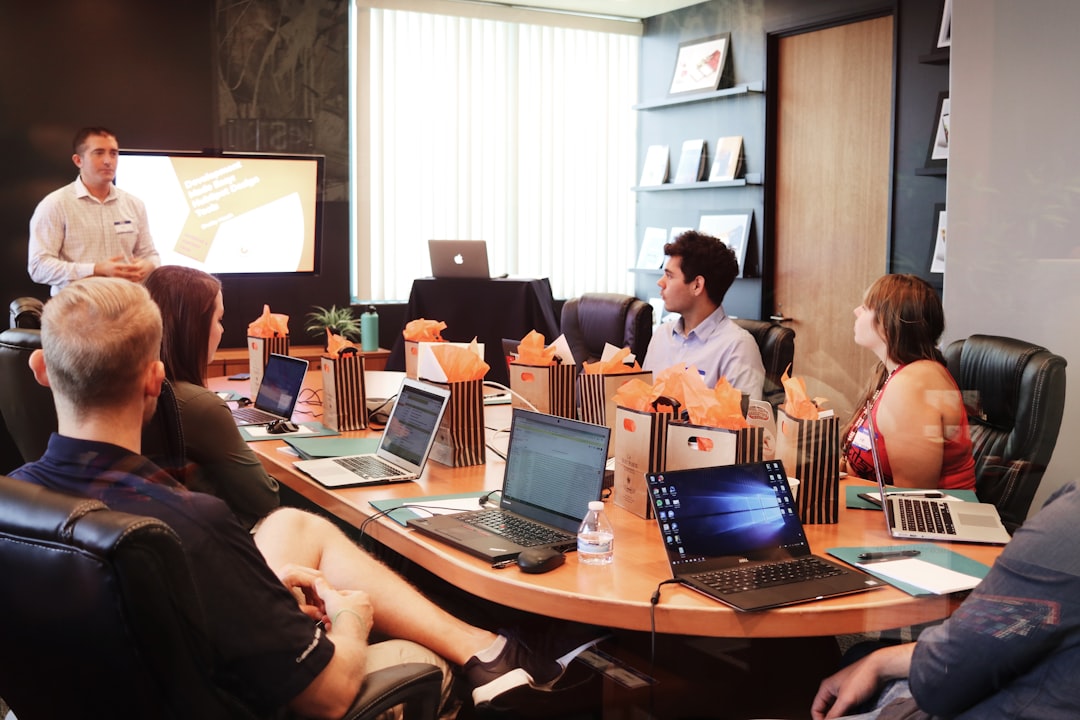
Veteran support events play a vital role in helping former service members transition to civilian life. These gatherings offer more than just camaraderie—they serve as essential touchpoints for accessing healthcare, career resources, mental health services, and community programs. Across the United States, communities and organizations come together to recognize the sacrifices veterans have made and to ensure they receive the support they deserve.
Many veterans face unique challenges upon leaving the military. While some adjust smoothly, others encounter difficulties related to employment, housing, or mental health. Events tailored to veterans can help bridge the gap between services and those who need them. Whether it’s a job fair, a wellness retreat, or a town hall meeting, these events often provide direct access to resources and professionals who understand veterans’ specific needs.
One of the core benefits of attending such events is the availability of targeted support services. For example, job fairs designed for veterans often feature employers who value military experience and actively seek to hire former service members. Workshops on resume writing, interview techniques, and career planning are frequently incorporated to equip attendees with practical tools. Similarly, mental health and wellness events might offer free counseling sessions, peer support groups, or seminars on coping strategies tailored to the veteran community. These personalized services are often coordinated through veteran support events that aim to bring together trusted resources in one accessible space.
Veteran support events also highlight the importance of community. Isolation is a common issue among veterans, especially those who have recently transitioned out of active duty. Events that encourage social interaction, such as group hikes, barbecues, or holiday gatherings, can provide a sense of belonging and structure. These interactions help veterans rebuild their social networks and feel connected to their local communities, which is an essential part of long-term well-being.
In addition to in-person gatherings, virtual events have become increasingly popular in recent years, making support more accessible than ever. Webinars, online workshops, and virtual job fairs offer opportunities for veterans in remote or rural areas to participate without needing to travel. These digital platforms can be particularly beneficial for veterans with disabilities or those dealing with mobility challenges. Organizers have worked to ensure these virtual events remain just as interactive and beneficial as physical ones.
The success of veteran events often hinges on collaboration between different stakeholders. Local governments, nonprofit organizations, healthcare providers, and employment services frequently work together to plan and execute these programs. This cooperative approach ensures that a wide range of services is available and that events are tailored to the specific demographics and needs of the veterans in each community.
Moreover, these events serve to educate the broader public about veterans’ issues. Community involvement raises awareness and fosters a culture of support and appreciation. Public forums and open-door information sessions allow civilians to learn about the experiences of veterans, encouraging empathy and understanding. This increased awareness can help reduce stigma associated with mental health or service-related injuries and promote more inclusive policies at the local and national levels.
Staying informed about upcoming events is crucial for veterans and their families. Websites such as veteran events calendar provide comprehensive listings of programs available nationwide. From small town gatherings to large-scale conferences, these resources help veterans discover opportunities that align with their personal goals and needs.
As the veteran population continues to evolve, so too must the events designed to support them. Embracing innovation, fostering inclusivity, and prioritizing accessibility will ensure these events remain relevant and effective. By continuing to invest in veteran-focused programming, communities can honor the service of veterans not just with words, but with meaningful action.