
Audience fit is the first useful filter. A daytime conference for sales teams may respond well to physical comedy and quick visual routines, while a formal awards dinner may need a shorter, more controlled set between courses. A mixed-age company celebration also requires humor that does not depend on private office references. I often see organizers choose an act because it sounds unusual, then discover that its style conflicts with the event’s purpose. A comedy juggler can be engaging without becoming the center of attention for the entire evening, provided the performance length and tone are agreed upon early.
The run of show is another technical concept worth understanding. It is simply the event’s minute-by-minute schedule, including transitions, meal service, speeches, and entertainment. A performance that looks perfect on paper can become awkward if guests are still finding seats or staff are clearing plates. For example, a six-minute routine may work neatly after an awards segment, while a longer set may be better placed before dinner. Build in a clear start cue and a realistic finish time. That gives the emcee, venue team, and performer the same expectation instead of leaving the transition to guesswork.
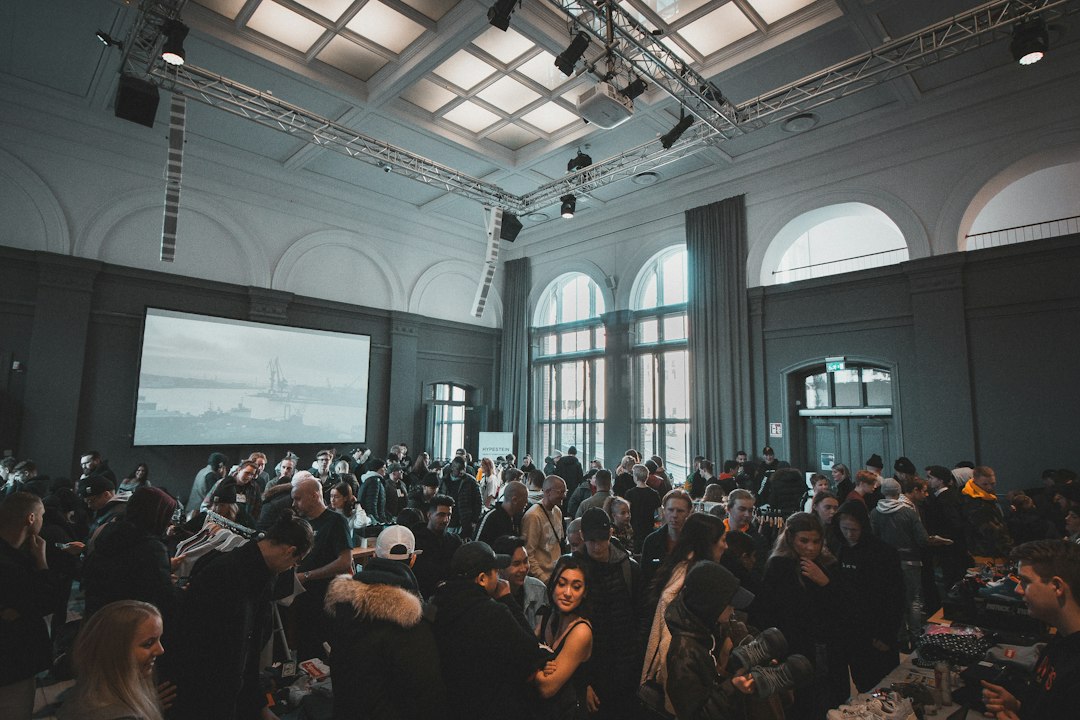
Room layout affects the experience more than a planner may expect. Sightlines are the unobstructed views guests need to see the action, and they can disappear when tall centerpieces, screens, or camera operators occupy the wrong positions. A small stage may work for a theater-style audience, but a cocktail reception may suit roving entertainment that moves among groups. Those are different formats, not interchangeable labels. At a Sydney corporate gathering, for instance, guests standing around high tables may engage more readily with brief close-up moments than with an act placed behind a distant lectern.
Sound and lighting should be discussed even when the performance appears mostly visual. Sound reinforcement means using microphones and speakers so spoken jokes and audience reactions remain clear across the room. A juggler may need a microphone, a defined performance area, and lighting that does not cast distracting shadows. This is particularly relevant in hotels with large ceilings or partitioned ballrooms. I have seen a strong act lose momentum because the presenter could not be heard from the back tables. A basic technical check before guests arrive can resolve microphone placement, music cues, floor space, and visibility.
Timing and safety also belong in the creative conversation. Load-in is the process of bringing equipment into the venue and preparing it before the event, and it may involve freight elevators, security desks, stairs, or restricted access times. Ask what the performer actually needs, then share the venue’s rules rather than assuming a simple act requires no planning. Clear floor space matters when objects are being tossed, and audience participation should be voluntary and properly briefed. These details rarely appear in promotional descriptions, but they determine whether an unusual performance feels relaxed or improvised in the wrong way.
The most dependable booking conversation is specific. Share the guest profile, room dimensions, event objective, preferred performance window, and any topics that should be avoided. Ask whether the act is designed for a stage, roaming interaction, or both, and confirm the technical requirements in writing. For a product launch, a compact routine can reset attention before the next speaker. For an end-of-year party, a more playful set may provide a shared memory without forcing executives into a staged stunt. That kind of planning is what makes distinctive entertainment feel natural, including a corporate event entertainment choice built around comedy, juggling, and clear logistics.