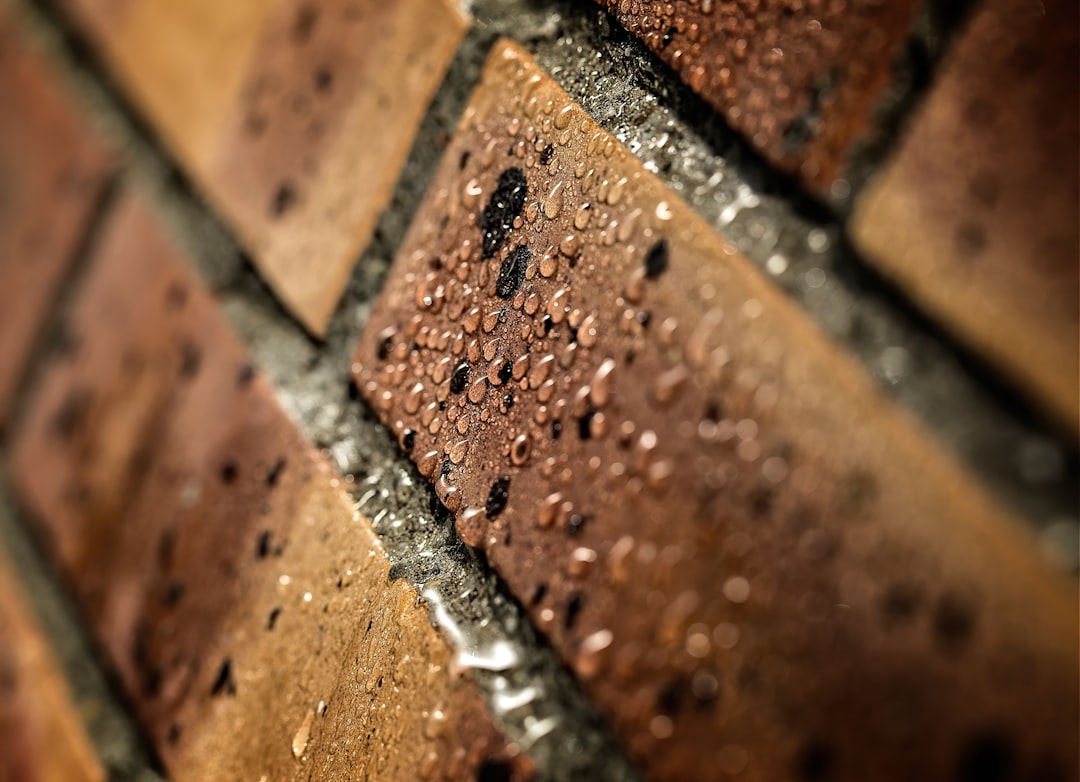

Liquid waterproofing membranes consist of flexible rubber compounds that adapt well to different surfaces such as concrete, wood, and even submerged areas like pools or fountains. Their flexibility makes them suitable for new builds and retrofit projects alike. The application doesn’t require specialized tools, many homeowners successfully apply it themselves with a brush or roller. However, surface preparation is critical; cleaning and drying the area thoroughly before applying prevents adhesion problems and reduces the risk of peeling.
One strong advantage of liquid membranes is their ability to create a continuous water barrier without joints. Traditional sheet membranes have seams that can let water in if not sealed perfectly, but liquid membranes form an unbroken coating. This reduces leak points significantly. Still, thickness matters; applying enough coats according to product instructions is important to achieve the desired waterproofing performance.
Coverage is another practical concern. For example, a single pint of liquid membrane usually covers a specific square footage range depending on surface texture and porosity. Estimating the total area accurately helps avoid running short mid-job or wasting excess material. Tools like the liquid waterproofing membrane coverage calculator are handy for this task. Experienced applicators also recommend allowing for some extra material in rough or uneven areas.
Drying time varies based on ambient temperature and humidity. Typically, the surface will feel dry to the touch within a few hours, but full curing can take several days. Planning work around these timelines prevents damaging the membrane during the curing phase. When multiple coats are required, waiting for each layer to dry fully before adding the next one is key to avoiding bubbles or uneven textures.
Beyond basements, commercial buildings benefit from liquid waterproofing on exterior foundations exposed to poor drainage or heavy rain. Outdoor installations such as fountains or pool linings also require reliable moisture protection to avoid structural issues later on. Applying these membranes in such environments demands attention to detail, including checking for cracks or gaps beforehand and sealing them properly.
If you’re unsure about the application process, plenty of online guides from manufacturers break down each step clearly. They offer advice on surface prep, application thickness, drying times, and cleanup methods. Additionally, connecting with suppliers directly can provide recommendations for compatible primers or sealants that improve adhesion and durability.
A useful habit for anyone working with liquid membranes is documenting the process. Taking notes or photos of each stage helps track how conditions affected drying times or adhesion. This record can be invaluable if follow-up work is needed or if any issues arise later. Also, staying updated with industry newsletters can introduce you to new products and evolving best practices.
For more information on related products and tips, visit waterproofing advice and resources. This resource provides practical insights tailored for property owners and contractors aiming to maintain dry, durable structures.