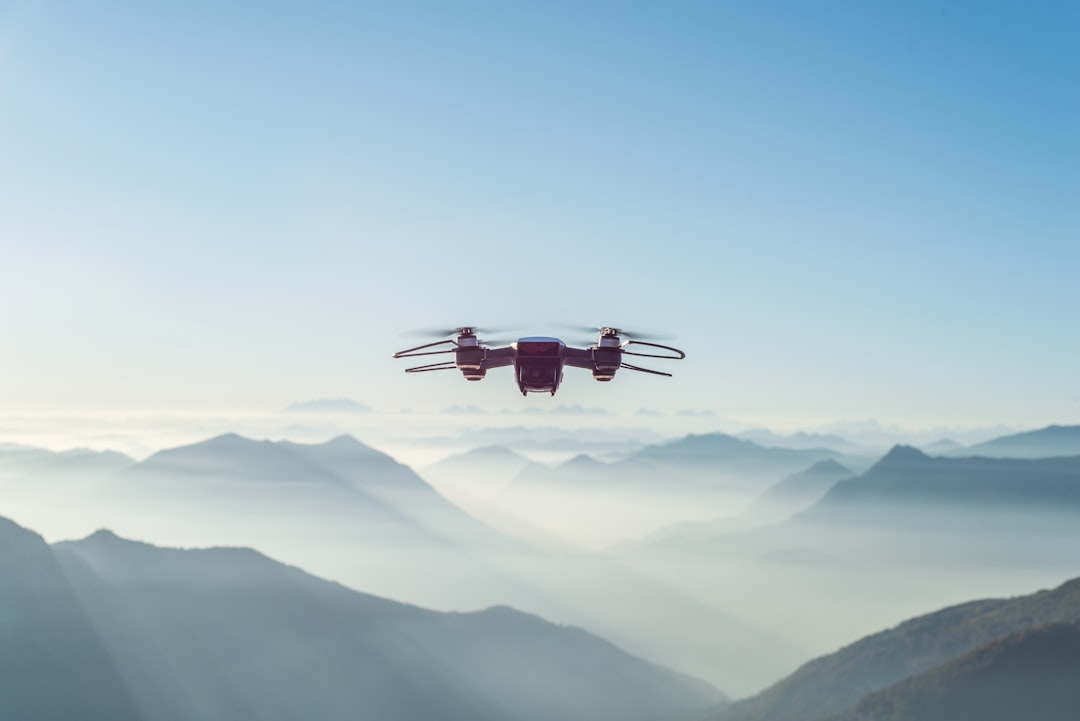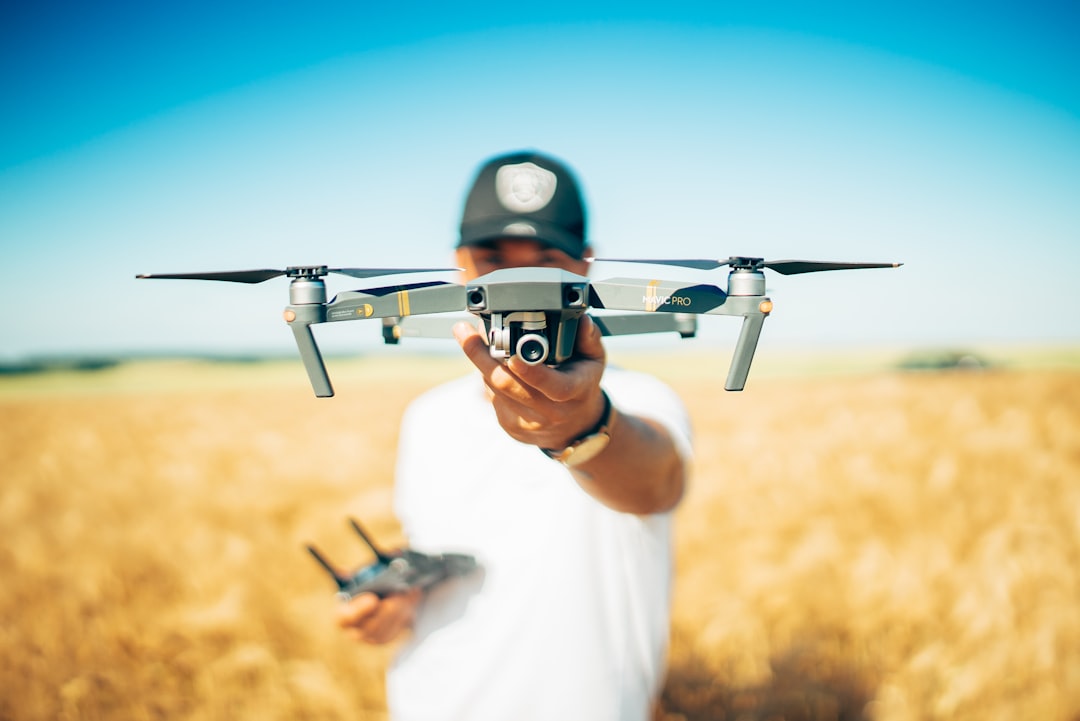

Aerial drone surveys rely on technologies like photogrammetry and LiDAR to build precise 3D models of terrain and structures. Photogrammetry stitches together overlapping photos taken from various angles to create thorough topographic maps. LiDAR sends laser pulses to measure distances and record surface details, even through vegetation or poor lighting. These techniques provide useful data for agriculture, urban planning, and more.
For real estate developers, drone surveys simplify site analysis. They can quickly spot land features, possible obstacles, and plan layouts before work starts. Using aerial drone survey services gives developers clearer geographic data to base decisions on. It’s common for teams to review drone maps alongside zoning documents to avoid surprises later, preventing costly rework.
In environmental fields, drones cover large areas fast, ideal for monitoring plant health, wetlands, or wildlife habitats. Conservationists often use drones to track ecosystem changes over time without disturbing sensitive areas. Field teams typically cross-check drone data with ground observations to verify findings, helping them decide when intervention might be needed.
Drone inspections provide another major advantage. Structures like bridges, wind turbines, and cell towers can be risky or difficult for people to access. High-definition cameras on drones capture close-up images and videos safely. This reduces time spent on inspections and lowers costs. Inspection crews usually create detailed reports combining drone footage with manual checks to ensure nothing is missed.
Beyond surveying and inspections, drones are valuable in aerial cinematography. Filmmakers get unique dynamic shots from different angles that were hard or expensive before. Using drones keeps production flexible and less costly compared to traditional methods like cranes or helicopters.
Each drone project has unique requirements. Service providers often tailor their approach to fit client goals and site conditions. Clear communication upfront avoids misunderstandings about data formats or coverage areas. Teams frequently review preliminary results during flights to adjust plans on the fly, improving efficiency.
To keep up with developments in drone technology and applications, follow industry news or visit websites such as drone mapping and surveying resources. Staying informed helps professionals adapt tools and techniques to meet changing project needs.