An anterior cruciate ligament (ACL) injury is a common concern, particularly among athletes and active individuals. The ACL is a crucial ligament in the knee that helps stabilise the joint, and injuries often occur during activities that involve sudden stops or changes in direction. When this ligament is torn, it can lead to significant pain and instability, requiring a comprehensive approach to recovery.
Physiotherapy plays a vital role in the rehabilitation process following an ACL injury. The primary goal of physiotherapy is to restore function, improve strength, and prevent further injury. A well-structured physiotherapy programme is essential to achieve these goals and ensure a successful recovery.
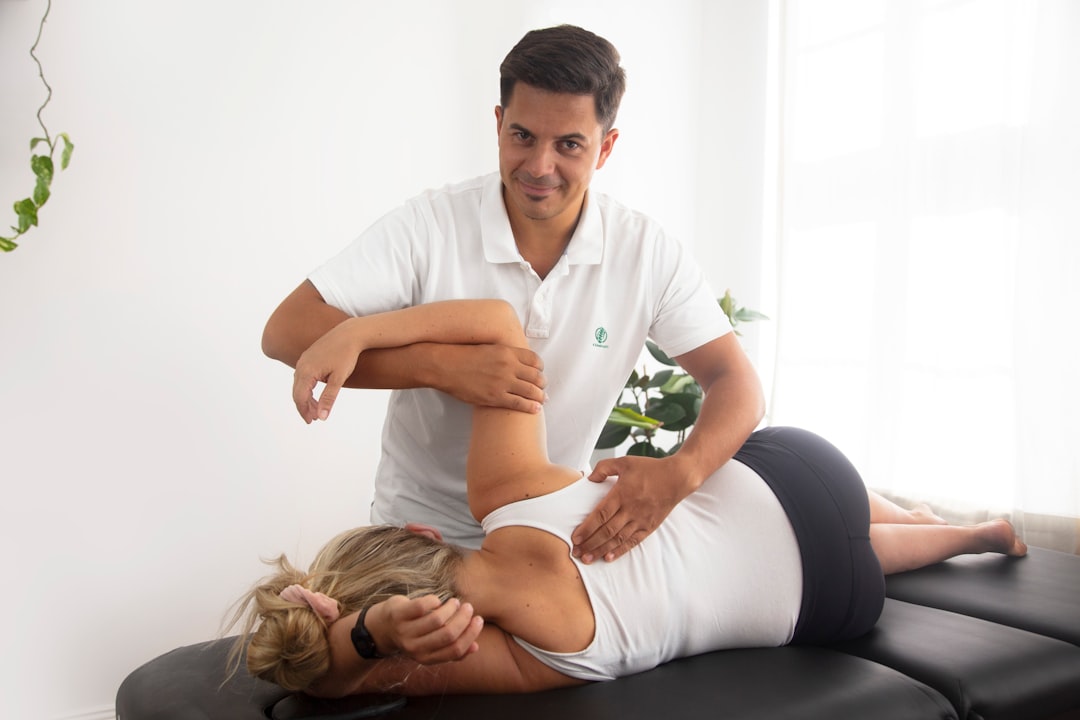
An initial assessment by a physiotherapist is critical to tailor the rehabilitation programme to the specific needs of the individual. This assessment typically includes evaluating the range of motion, strength, and stability of the knee, as well as any compensatory movements that might have developed. Based on this evaluation, a personalised treatment plan is developed.
Early stages of physiotherapy focus on reducing pain and swelling while restoring movement to the knee joint. Techniques such as manual therapy, ice application, and gentle exercises are often employed to address these issues. As the initial symptoms subside, the focus shifts to strengthening the muscles around the knee, particularly the quadriceps and hamstrings, which are integral to stabilising the knee.
Progressive resistance exercises are introduced to enhance muscle strength and endurance. These exercises are crucial for regaining full functionality of the knee and preventing re-injury. Additionally, proprioceptive training is included to improve balance and coordination, which are often impaired following an ACL injury.
As rehabilitation progresses, more dynamic exercises are incorporated. These exercises mimic the movements and stresses that the knee will experience during athletic or everyday activities. The aim is to ensure the knee can handle these demands safely. Returning to sport or full activity is a gradual process. It requires not only physical readiness but also psychological confidence in the knee’s stability and performance.
The duration of physiotherapy can vary depending on the severity of the injury and the individual’s progress. Typically, a full recovery can take anywhere from six months to a year. However, adherence to the prescribed physiotherapy regimen significantly influences the outcome. Patients who commit to their rehabilitation programme tend to achieve better results and face fewer complications.
In some cases, surgical intervention might be necessary, especially for individuals aiming to return to high-level sports. Even then, physiotherapy remains a cornerstone of the recovery process both before and after surgery. Pre-operative physiotherapy can help strengthen the muscles and prepare the knee for surgery, potentially leading to a smoother post-operative recovery.
For those seeking effective rehabilitation services, peakmsk.com.au provides comprehensive physiotherapy programmes tailored to individual needs. Their expert team focuses on delivering personalised care to ensure optimal recovery outcomes.
Ultimately, the key to a successful recovery from an ACL injury lies in understanding the importance of physiotherapy and committing to a structured rehabilitation programme. With the right guidance and dedication, individuals can return to their desired level of activity and enjoy a pain-free lifestyle once more. For more information about acl injury physiotherapy, explore their available resources and services.