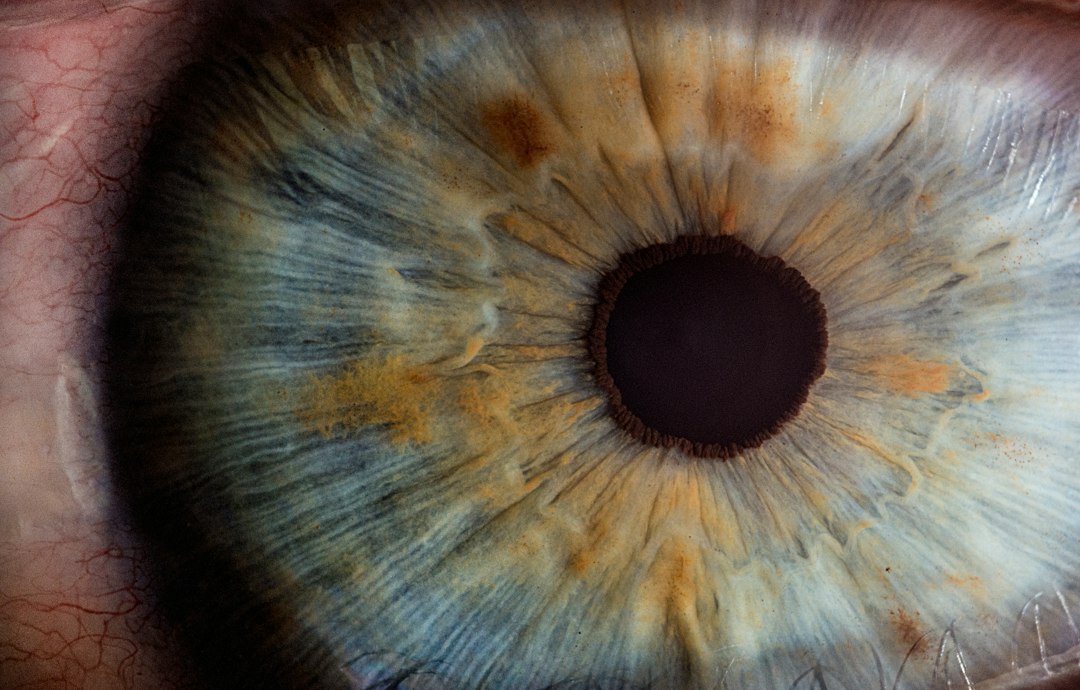

A useful starting point is a history of the injury and daily symptoms, followed by tests chosen for the person’s communication and concentration level. A Traumatic brain injury optometrist Brisbane assessment may consider eye health, focusing, eye movements and how visual information is interpreted. The aim is not to label every problem as an eye disorder. Fatigue, pain, dizziness, hearing changes and cognitive effects can overlap with visual symptoms, so findings should be explained carefully and referred on when another professional’s input is needed.
One technical term is accommodation, the eye’s ability to change focus between distances. After an injury, someone may focus on a book but struggle when looking from the page to a classroom board or dashboard. Convergence is different: it describes both eyes turning in together for close work. Poor control can make text appear to move or split, although the person may simply report discomfort. A practical assessment can compare these demands and discuss reading distance, lighting, print size and planned breaks rather than assuming stronger spectacles will solve everything.
Eye movements also matter. Saccades are quick jumps between targets, such as moving from the end of one line to the start of the next. If they are inaccurate or slow, a reader may skip words, reread lines or lose their place. Tracking is the smoother movement used to follow a moving object, while a visual field is the area seen when looking straight ahead. A reduced field can make doorways, kerbs or people on one side harder to notice. These concepts are easier to understand when linked to a real task, such as navigating a supermarket aisle.
Consider a university student who can pass a brief vision check but needs twice as long to read lecture slides and feels ill under fluorescent lighting. The useful question is not simply whether glasses are required. It may involve focusing endurance, eye teaming, glare, visual motion or the amount of information on screen. Another example is an older adult who bumps into furniture after a head injury. A field assessment, contrast checks and observation while walking may provide more relevant information than a prescription change alone. Results should be recorded in plain language for family, work or rehabilitation teams.
Some people have difficulty describing symptoms, including children, non-verbal patients and people with significant fatigue or cognitive impairment. An appointment may need shorter activities, familiar objects, extra processing time or a support person who knows the patient well. Cerebral visual impairment, often called CVI, refers to difficulty using visual information because of brain processing rather than an eye problem alone. It can affect recognition, crowded scenes or locating objects. A low vision assessment may explore useful adjustments, and specialist aids such as bioptic telescopes are appropriate only when the functional need and training demands have been considered.
Before booking, ask what the assessment includes, how long it may take, whether breaks are possible and what information should be brought. Ask how findings will be explained and whether a written report can support rehabilitation, school or workplace discussions. A low vision assessment is not automatically the right service for every person after brain injury, and an optometrist cannot replace neurological, occupational therapy or medical care. The practical goal is clearer evidence about the visual tasks causing trouble, sensible adjustments to test, and a plan that recognises both potential benefits and limits.