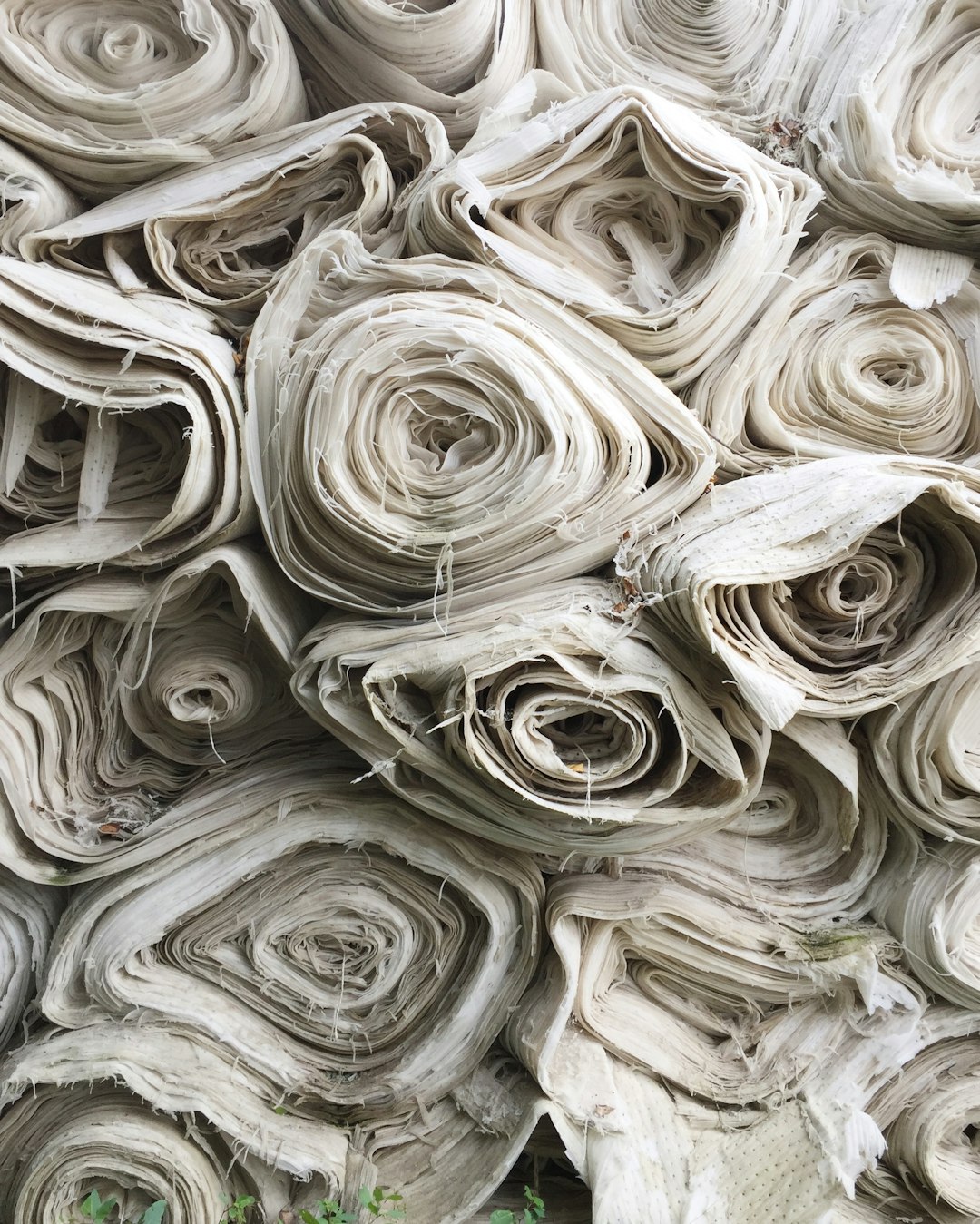

Fiber-to-fiber recycling breaks down old textiles into their basic fibers, which can then be spun into new fabrics. A clothing brand might collect damaged or excess items and recycle them instead of discarding them. This process helps reduce waste volume and aligns with the rising demand from consumers for more sustainable apparel options. It’s not just about being green; it’s a smart step toward long-term resource management.
We’re working on fibers designed to be recycled repeatedly into various products, helping decrease the dependence on virgin materials. Techniques like chemical recycling and mechanical shredding allow us to handle textiles made from cotton, polyester, and blends without sacrificing fiber quality. For example, polyester can be chemically broken down and reformed, while cotton fibers are mechanically processed and respun. These technologies support a circular system where materials keep cycling through the supply chain.
Understanding the source materials is key. Post-consumer garments and industrial textile scraps each require tailored approaches. Cotton textiles tend to be easier to process mechanically but can degrade if mixed with synthetics. Synthetic fibers like polyester demand chemical treatments to maintain fiber integrity. Sorting and cleaning the input materials thoroughly before recycling prevents contamination and improves the quality of the recycled output.
Our recycled fibers feed into a wide range of products, from durable activewear to casual clothing. Quality control at every stage ensures the final fabric meets brand standards, avoiding surprises during garment production. A common mistake in recycling operations is inconsistent fiber quality, which leads to costly rework or product returns. We emphasize strict batch testing and maintain detailed records of fiber blends and treatments to minimize these risks.
Our new facility is built to handle larger volumes of textile waste with advanced machinery. This expansion allows us to partner with more businesses aiming for sustainability in their supply chains. On-site, teams meticulously check incoming materials for contaminants like zippers or buttons that can damage equipment or reduce fiber quality if not removed. Such hands-on quality checks are vital for smooth operations.
As consumers grow more aware of how their purchases affect the environment, companies must adjust. Collaborating with textile recyclers offers a straightforward way to shrink ecological footprints while appealing to eco-conscious customers. It’s a tangible step brands can take today without waiting for new regulations or innovations.
Scott Hamlin points out that real change depends on industry-wide cooperation. Brands sharing knowledge and pooling resources can build effective recycling programs faster than working alone. True progress comes from commitment across the textile lifecycle, from design and production to retail and post-consumer recovery.
For those ready to take action, visiting sustainable textile processing options provides practical information and connects businesses with experienced recyclers. The path toward circular fashion demands effort from everyone involved, but the benefits make it worth the work.