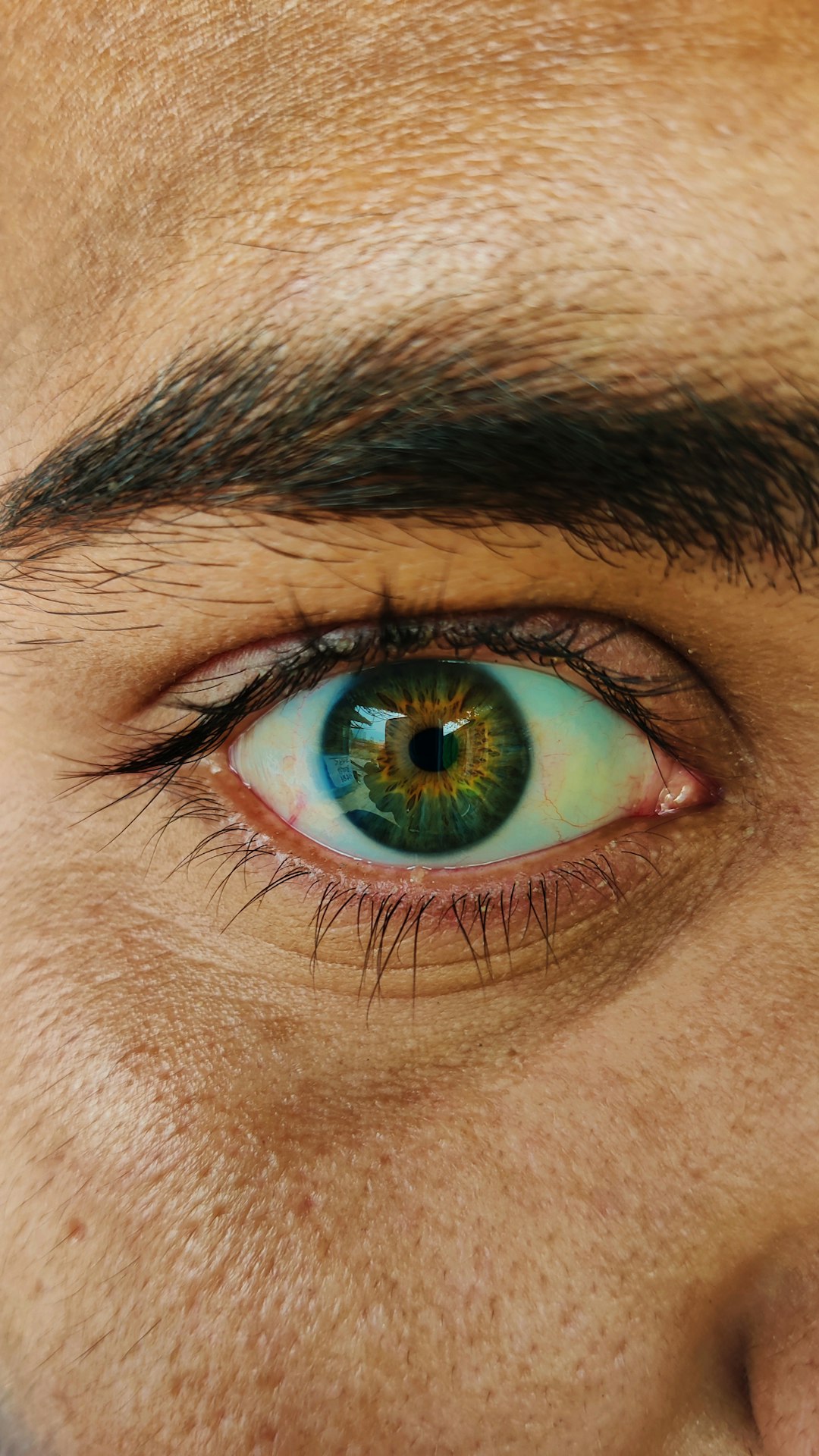

Eye exams for patients with communication challenges require more than standard tests. Some signs of discomfort or poor vision come through actions, not speech. For example, a child avoiding eye contact, turning away from bright lights, or showing little interest in toys might be indicating a vision issue. Skilled practitioners watch for these clues carefully, sometimes using play-based assessments or adapting equipment to suit the patient’s responsiveness.
Low vision evaluations are essential when standard glasses aren’t enough. These go beyond measuring acuity and focus on how well the patient functions visually in daily life. If a child bumps into furniture or struggles with stairs in familiar places, those could be signs of low vision needing specific support. An optometrist might test contrast sensitivity or visual field alongside acuity, and recommend aids like magnifiers or lighting adjustments.
Bioptic telescopes offer a practical option for some with low vision. These devices let users see distant details clearly while keeping peripheral awareness. However, training is key. Many clinics provide the device but skip thorough instruction, leaving families unsure how to use them effectively. Proper guidance includes hands-on practice, like reading street signs or recognising faces from a distance, and advice on when to switch between normal and telescope views.
Cerebral Visual Impairment (CVI) demands a different kind of attention. CVI affects how the brain interprets what the eyes see, not the eyes themselves. Signs can be subtle: inconsistent looking at objects, difficulty tracking moving items, or sensitivity to busy environments. Optometrists should ask detailed questions about the child’s visual behavior at home and school to distinguish CVI from other conditions. Tailoring interventions might involve environmental modifications or specific visual exercises.
Parents looking for help in Brisbane can turn to an optometrist for non-verbal Brisbane. These specialists understand the unique challenges faced by non-verbal patients and their families. They don’t just perform tests; they offer practical advice on managing visual impairments daily, such as adjusting lighting at home or choosing toys that encourage visual engagement without overwhelming the child.
Partnering with an experienced optometrist makes a noticeable difference in care quality. The best practitioners prioritize patient comfort and communication, often spending extra time to build trust and adapt their methods. They might keep detailed notes on each appointment, noting which techniques worked best to avoid repeating unsuccessful ones. This approach reduces stress for families and helps track progress over time.
For more information about specialised eye care services tailored to your child’s needs, visit vision care for special needs children. Finding the right provider means access to thoughtful assessments and strategies that respect each patient’s individuality and improve daily life.