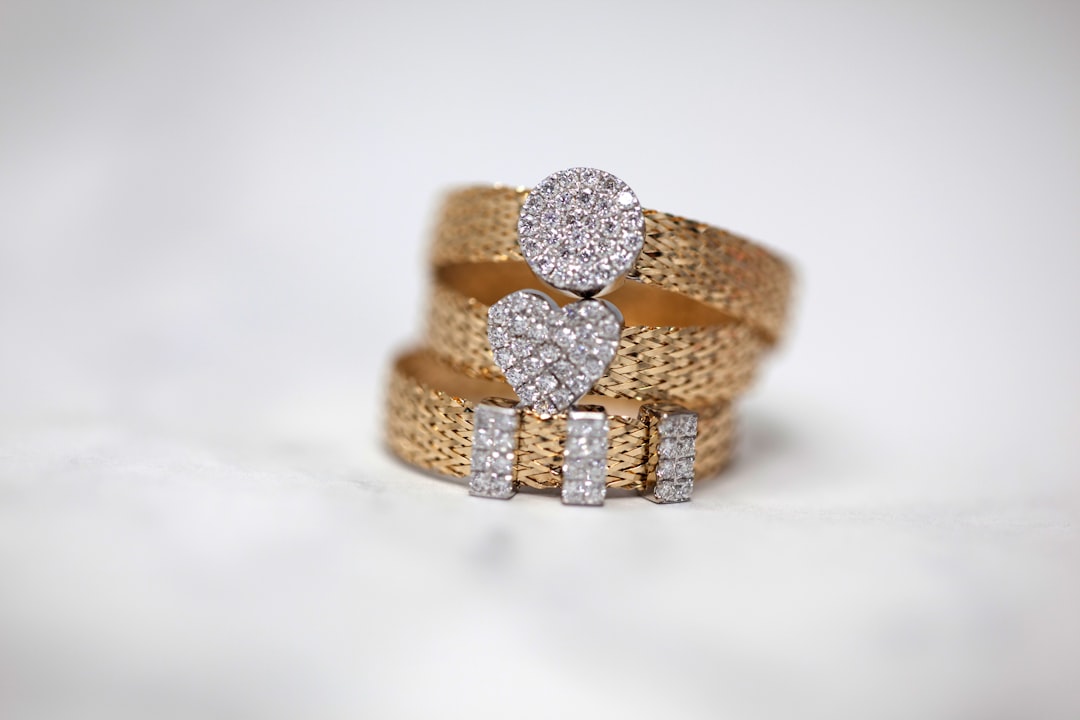
Walking into a jewelry store can be overwhelming, not just because of the sheer number of options but also when you consider the environmental and ethical costs behind many pieces. Traditional jewelry often depends on mined materials, which can cause significant habitat damage and sometimes involve unfair labor conditions. Sustainable jewelry offers an alternative that aligns with a growing consumer demand for responsible purchases without sacrificing style or quality.
Some jewelers have begun using recycled metals and ethically sourced gemstones to cut down on environmental impact. For example, using recycled gold requires far less energy than new mining, and selecting gemstones from suppliers who follow strict ethical standards helps avoid supporting exploitative practices. Businesses making these choices often see increased interest from customers who want their accessories to reflect their values, especially those paying close attention to carbon footprints and sourcing transparency.
Lab-grown diamonds have become a popular mined diamond substitute for people seeking ethically sound options. These diamonds are created in labs using processes that mimic natural formation but avoid the environmental disruption typical of mining. They share the same chemical and physical properties as mined stones but usually cost much less. Jewelers offering lab-grown diamonds can stay competitive while appealing to consumers who want guilt-free sparkle.
Moissanite is another gemstone gaining traction as a diamond alternative. Discovered originally in meteorites, moissanite shines with remarkable brilliance and holds up well over time. It’s often more affordable than diamonds, making it common in engagement rings and fine jewelry without compromising appearance. Including moissanite in collections gives jewelers a chance to meet demand for beautiful yet responsible options.
White sapphires also deserve attention as an eco-friendly choice. Though less famous than diamonds or moissanite, white sapphires are hard, durable, and can be sourced with ethical considerations in mind. They provide a unique look at a lower price point and appeal to buyers wanting something different without relying on mined diamonds. Promoting these alternatives helps educate shoppers about sustainable choices while broadening product ranges.
Upcycling old jewelry is a practical way to reduce waste in the industry. Many jewelers repurpose vintage pieces into contemporary designs, preserving craftsmanship and history while avoiding the need for new raw materials. This practice creates unique items with stories, which often resonate more deeply than mass-produced pieces. On a practical note, cleaning and inspecting older components before reuse is standard procedure to maintain quality without surprises later.
Reworking existing materials encourages creativity and sustainability simultaneously. For instance, transforming heirloom jewelry into modern styles lets artisans revive forgotten gems or metals while keeping sentimental value intact. Sharing these transformation stories with customers builds trust and encourages thoughtful buying habits. It also helps prevent miscommunication about the origin of materials by clearly explaining the process behind each piece.
Sustainable practices extend beyond materials to store operations as well. Reducing packaging waste by using recyclable or minimal materials cuts down on landfill contributions. Switching to energy-efficient lighting lowers a store’s carbon footprint and operational costs. Training staff thoroughly ensures they can confidently discuss sustainable jewelry benefits with customers, making the shopping experience more authentic. Engaging shoppers about your commitment to sustainable jewelry builds community trust and loyalty.
Adopting these eco-conscious methods benefits the planet and boosts business reputation amid shifting consumer expectations. As awareness grows about the environmental impact of jewelry production, customers increasingly prioritize brands that stand behind ethical sourcing and responsible manufacturing. By embracing this approach, jewelers position themselves well for future market demands and contribute positively to environmental stewardship. Explore more about responsible choices at ethical jewelry craftsmanship.