Hospitals run on tight schedules, especially on busy wards where nurses juggle medication rounds, patient charts, and urgent requests. One nurse shared how an outdated system made tracking down a medication a nightmare. The paper logs were hard to decipher late at night, and meds got misplaced easily. This not only slowed her down but raised safety concerns. Switching to a wireless barcode scanner changed everything. Nurses could scan medication barcodes right at the bedside, instantly confirming the correct drug and dosage. This cut errors sharply and improved confidence during shifts. Staff also developed a habit of double-checking scans against patient wristbands, reducing mix-ups.
Production floors face their own headaches with inventory management. A floor manager noticed staff wasting time hunting for product codes on crowded shelves, leading to missed deadlines. Introducing mobile barcode scanners allowed workers to scan items directly from their handheld units while picking orders. This sped up the process and fed real-time stock levels into the system. They started reviewing daily reports from the scanner software to spot trends in slow-moving inventory, helping reorder decisions. Also, workers tagged returned items immediately, preventing confusion later.
Barcode reader technology has advanced a lot. Modern scanners read both one-dimensional and two-dimensional barcodes, covering a wide range of uses. QR codes, for example, have become common in retail. Customers scan them with smartphones to check product details or get discounts at checkout. Retailers often update these codes weekly to reflect new promotions or ingredient changes, so staff keep an eye on code accuracy during restocking.
Reducing handling time is another benefit of these devices. Self-service kiosks equipped with barcode scanners let customers check out quickly without waiting for cashier help. This frees employees to restock shelves or assist customers needing more detailed advice. In many stores, staff are trained to spot when scanners aren’t reading properly, dust or damage can slow things down, so they clean devices regularly and report issues immediately.
Healthcare-specific barcode readers exist too. Medical tool scanners help hospitals track surgical instruments and supplies accurately. In one setup, staff scan items before and after procedures to ensure nothing is left inside patients or lost during turnover. These devices often link back to inventory systems that flag low stock levels, triggering orders automatically. Nurses also keep a log sheet beside scanners to note any discrepancies or damaged items found during scanning.
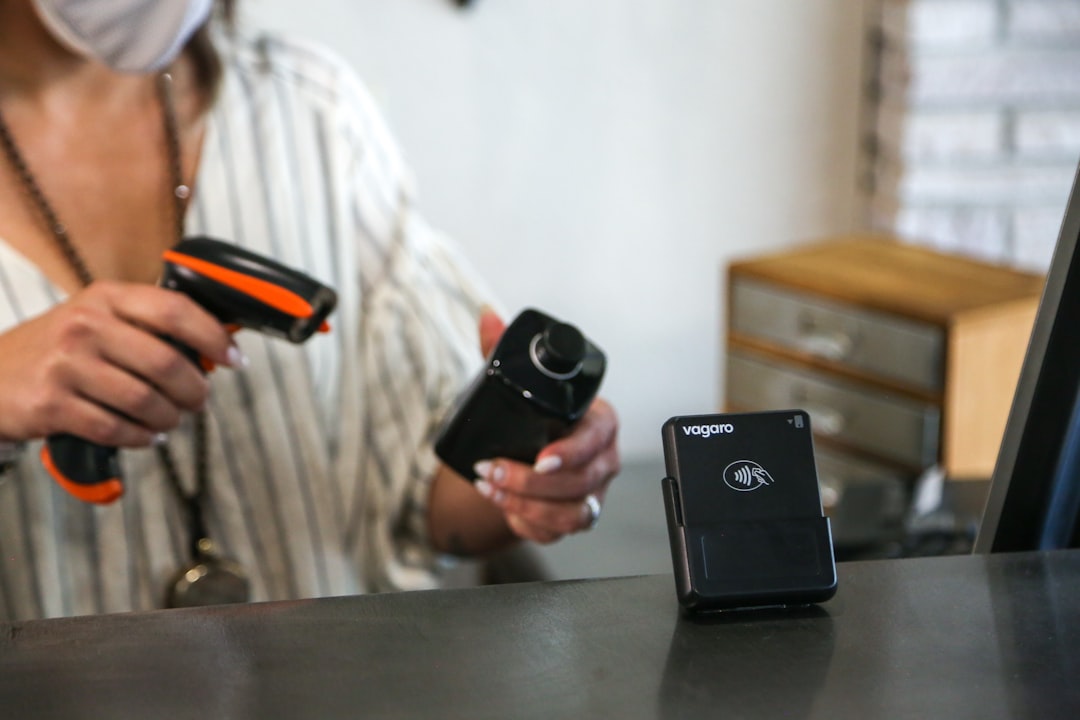
Picking the right barcode scanner depends on what the operation needs. Single tube readers work well where speed is key, like warehouses handling large volumes daily. Mobile scanners suit environments where workers move around a lot, such as retail floors or hospital wards. Some models come with rugged casings for tough conditions or long battery life for extended shifts. Staff usually receive hands-on training to avoid user errors that can cause scanning delays or incorrect entries.
If you’re considering investing in barcode technology, you can explore various options at udi barcode reader. Each model offers features tailored to different environments and tasks. Scanning devices can improve accuracy, reduce manual paperwork, and speed up workflows significantly.
As industries change, using advanced scanning tools helps keep processes efficient and responsive. Staying current with technology means fewer errors and better resource management. For practical advice on integrating barcode scanners effectively in your setting, visit barcode device buying tips.