
With the quote approved, the installers scheduled the work. Removing old benchtops took patience and care to avoid damaging cupboards or tiles. It’s common for installers to label cabinets during removal to ensure everything goes back correctly, preventing alignment issues. Precise measurements were taken multiple times , even minor errors can cause visible gaps or force adjustments that delay the project. The installers also checked for uneven walls or corners that might affect how the stone fits.
An alternative to full replacement was resurfacing existing stone benchtops. This option can remove surface scratches and stains and refresh the finish without removing the entire slab. Resurfacing usually involves grinding down the top layer and polishing it, which can cut costs and reduce downtime. For homeowners on a budget or those wanting a quicker update before selling, resurfacing is an efficient choice. It often takes just a few days and doesn’t disturb kitchen cabinetry or plumbing.
Many Melbourne and Geelong residents have found stone benchtop installation a straightforward way to modernise kitchens while adding value. The process avoids the mess of ripping out everything, keeping disruption to a minimum. Stone surfaces are not only visually appealing but also resistant to heat and scratches, which appeals to people who cook regularly. A common tip is to protect edges during installation since they are prone to chips if handled roughly.
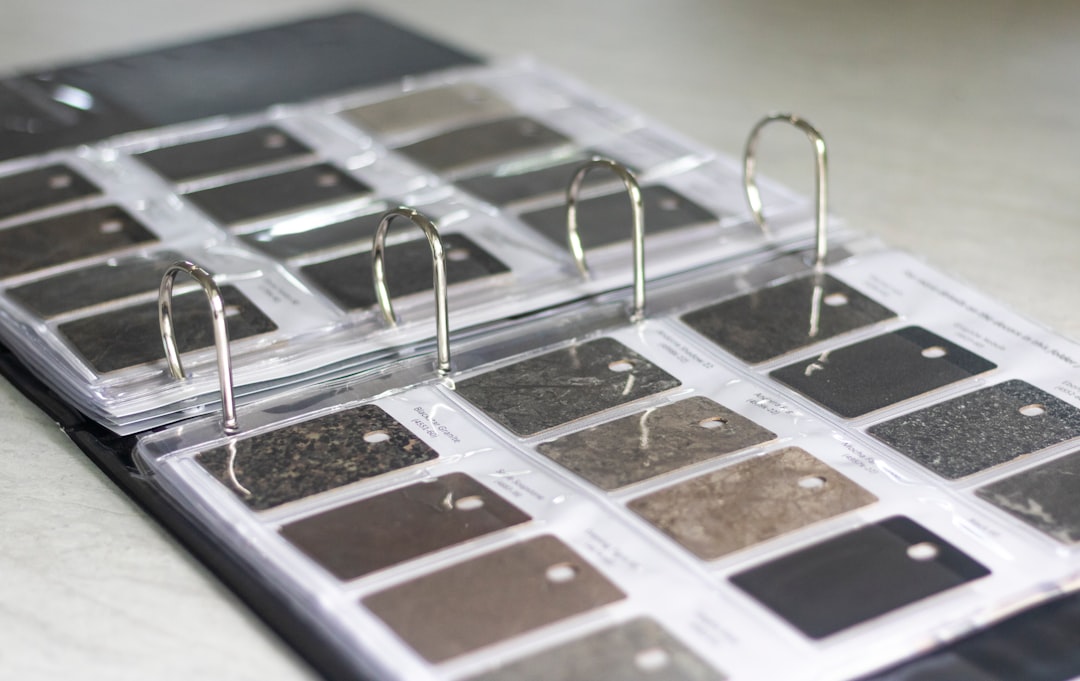
Choosing the right stone colour and finish can transform a kitchen’s character. Homeowners should consider how natural and artificial light will hit the surfaces throughout the day. Matte finishes hide fingerprints better but show scratches more easily than polished ones. It helps to bring samples home and observe them under different lighting before deciding. Matching the benchtop with backsplash tiles or cabinetry tones can create a cohesive look that feels intentional.
Questions often arise about how long installation will take and how to clean stone surfaces afterwards. Typically, once measurements are confirmed, installation happens within two to three weeks, depending on stone availability and fabricator schedules. Maintenance is generally simple: mild detergent and water do most of the job. Avoid acidic cleaners like vinegar or lemon juice which can etch some stones. Sealing porous stones regularly helps prevent staining but is not necessary for quartz.
Upgrading to stone benchtops in Melbourne offers a practical way to refresh kitchens with minimal hassle. From first consultation to final fitting, each stage involves checks and balances to ensure a good fit and finish. The workmanship usually comes with a warranty covering installation issues, so homeowners can be confident in their investment. Exploring options like stone benchtops melbourne provides useful information about styles and processes.
Finally, for those looking to enhance their kitchen further, resources such as kitchen surface upgrades in melbourne offer advice on combining stone with other materials and choosing complementary colours. Taking time to plan carefully and communicate clearly with installers reduces misunderstandings and ensures the project runs smoothly.