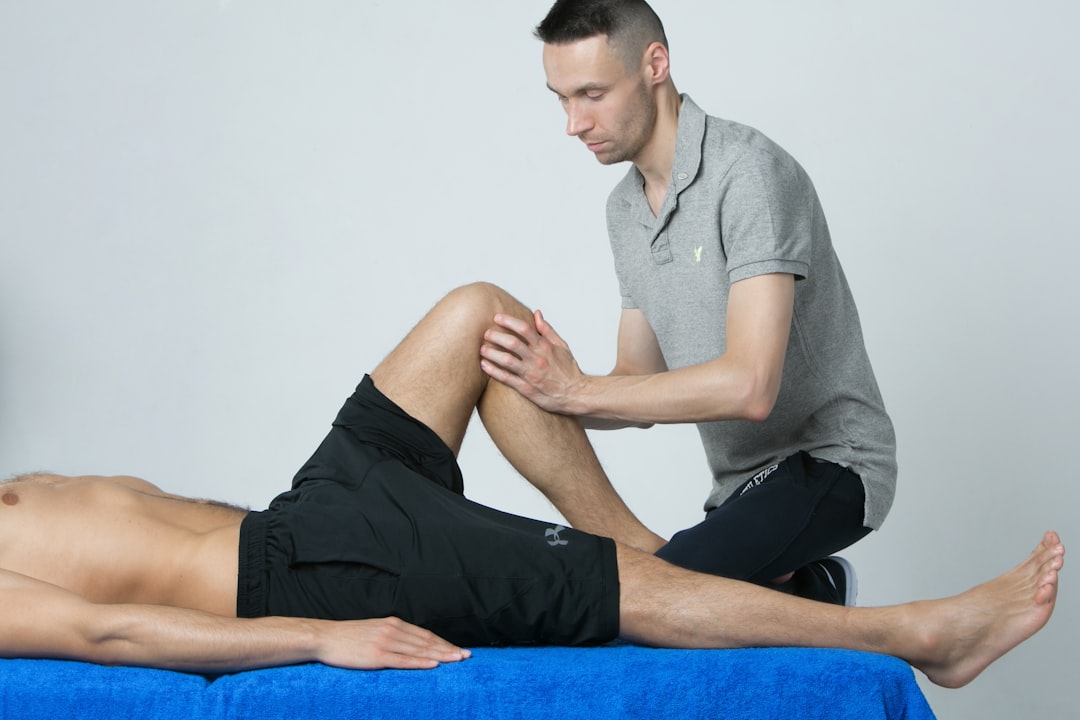

A worthwhile appointment involves more than a massage followed by a generic exercise sheet. If you search for sports physio dubai, look for an approach that explains the reasoning behind its recommendations. The clinician may measure joint movement, compare strength from one side to the other, observe balance, and assess a task related to your sport, such as a squat, serve, run, jump, or lift. They may also ask you to repeat a movement that brings on symptoms, then see whether a small adjustment changes your response. A difference between sides can guide the assessment, but it does not prove the cause by itself.
Training load is often part of the discussion. Load includes sport, gym work, commuting, standing at work, household tasks, and recreational activity. A runner who has added distance, hills, or speed sessions quickly may have exceeded what the tissues were ready to tolerate. The useful response is not always complete rest. A clinician might reduce distance, remove sprints temporarily, add recovery days, or substitute cycling if that remains comfortable. Keep a note of how symptoms feel during activity and the following morning. That simple record is often more useful than trying to remember every detail in the treatment room.
Exercise selection should match the problem and your current capacity. For some tendon complaints, a gradual strengthening programme may include exercises where the muscle works while lengthening, such as lowering the heel slowly from a raised position. Following an ankle sprain, balance drills and controlled single leg movements can help restore confidence and awareness of foot position. The starting version may be performed beside a wall, with the difficulty increased only when control is consistent. These exercises are not instant fixes. Their purpose is to expose the affected area to a manageable amount of work, then build that amount without a prolonged increase in symptoms.
Consider a recreational football player who rolled an ankle before a weekend tournament. Assessment may include swelling, walking quality, calf strength, single leg balance, hopping, and controlled changes of direction. The player does not need to be given a simple yes or no immediately. A staged test could begin with straight line jogging, progress to gentle turns and passing, then include sharper movements and training contact if earlier steps remain acceptable. Confidence also matters. Someone who expects the ankle to give way may shorten a stride or avoid loading one side, even after basic strength has improved. The clinician should record both physical findings and the player’s response to each task.
Shoulder pain during an overhead press calls for similarly specific questions. Is the pain linked to a particular grip, load, speed, range, or number of repetitions? A temporary adjustment might involve lowering the weight, changing hand position, reducing the depth of the press, or using a different exercise while strength is rebuilt. Pain monitoring should be individual rather than based on a rigid rule. Mild discomfort during a controlled exercise may be acceptable for some people, while pain that rises through the session or remains worse the next day suggests that the dose needs review. Bring your training log or a phone note if you keep one, since it can reveal patterns that are easy to miss.
Dubai conditions can affect how a plan works in everyday life. Tell the physiotherapist whether you train outdoors in heat, use an air conditioned gym, sit at a desk for long periods, or spend time commuting between work and home. A plan that requires equipment you do not own is unlikely to be followed consistently, so list what is available, such as stairs, resistance bands, a mat, or free weights. Ask how progress will be measured, which activities should be limited, and when the programme can be advanced. It is also worth confirming the appointment schedule and writing down the exercise instructions before leaving, rather than relying on memory after a busy day.
Some symptoms need medical assessment rather than routine sports rehabilitation. Seek prompt care for a visible deformity, severe or rapidly increasing swelling, inability to bear weight, new numbness or weakness, chest symptoms, or pain following a serious collision. Tell the physiotherapist about previous injuries, surgery, relevant medical conditions, and medication, even if they seem unrelated to the current complaint. For ongoing symptoms, the clinician may recommend medical review or imaging when the examination suggests it is appropriate. A clear record of symptom changes, training exposure, and exercise response gives the practitioner a stronger basis for adjusting your return to sport assessment plan.