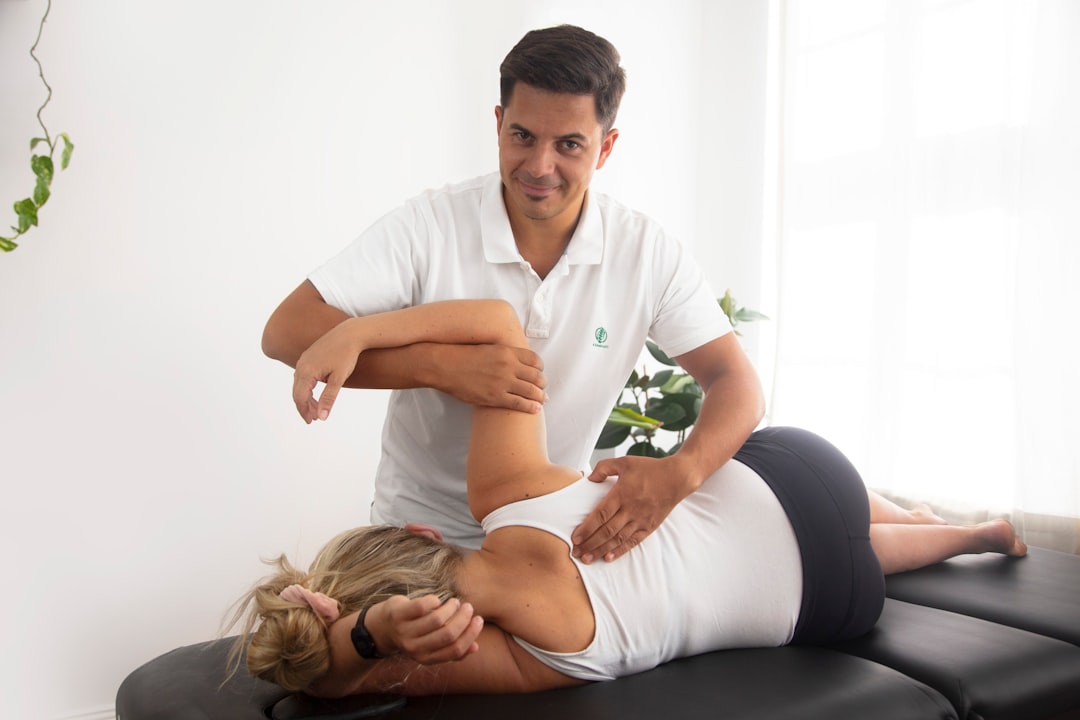

As a sports physiotherapist, my job isn’t limited to treating injuries after they happen. I dig into the specific demands of each sport and how the athlete’s body moves. For example, runners frequently get shin splints from wearing the wrong shoes or ramping up mileage too fast. Football players often pull hamstrings when they explode into a sprint without proper warm-up. Spotting these details matters for rehab and prevention.
Rehab is about more than just healing tissue; it’s about building strength to prevent repeats. Manual therapy techniques can ease pain and restore movement, while customized exercise plans target weak spots found during assessment. Take ankle sprains: balance drills and proprioception exercises are key to regaining stability and reducing future injury chances.
Poor movement patterns also raise injury risks. Some athletes lean heavily on one side, causing muscle imbalances that lead to strain. Using video analysis alongside biomechanical assessments helps identify these habits. Then, we tailor corrective exercises to promote even movement, which protects against injuries and supports long-term performance.
Education is a major part of what I do. Athletes need to grasp why warming up, cooling down, and recovery routines matter. Proper hydration and nutrition often get overlooked but can make a big difference in injury prevention and stamina. Teaching these practical points empowers athletes to manage their health actively rather than just reacting to setbacks.
In our clinic, we treat the whole person, not just the injury. Whether we’re applying hands-on therapy or crafting a detailed rehab plan, the focus is on helping athletes come back stronger. If you’re dealing with sports injuries, it’s worth consulting someone who understands the demands of your sport and body, like sports physio bondi junction.
One detail often missed is how communication affects recovery. Athletes sometimes downplay pain or rush back too soon because they don’t want to miss games. We stress honest feedback during sessions to avoid setbacks. Also, keeping clear notes about progress and exercises helps everyone stay on the same page.
Early intervention makes a significant difference. The sooner an injury is assessed and treated with a plan that fits the athlete’s history and sport specifics, the better the outcome. Addressing the root cause, not just masking symptoms, reduces downtime and supports sustainable performance.
For those interested in broader health management related to physical activity, check out physical therapy advice online for practical tips and guidance.