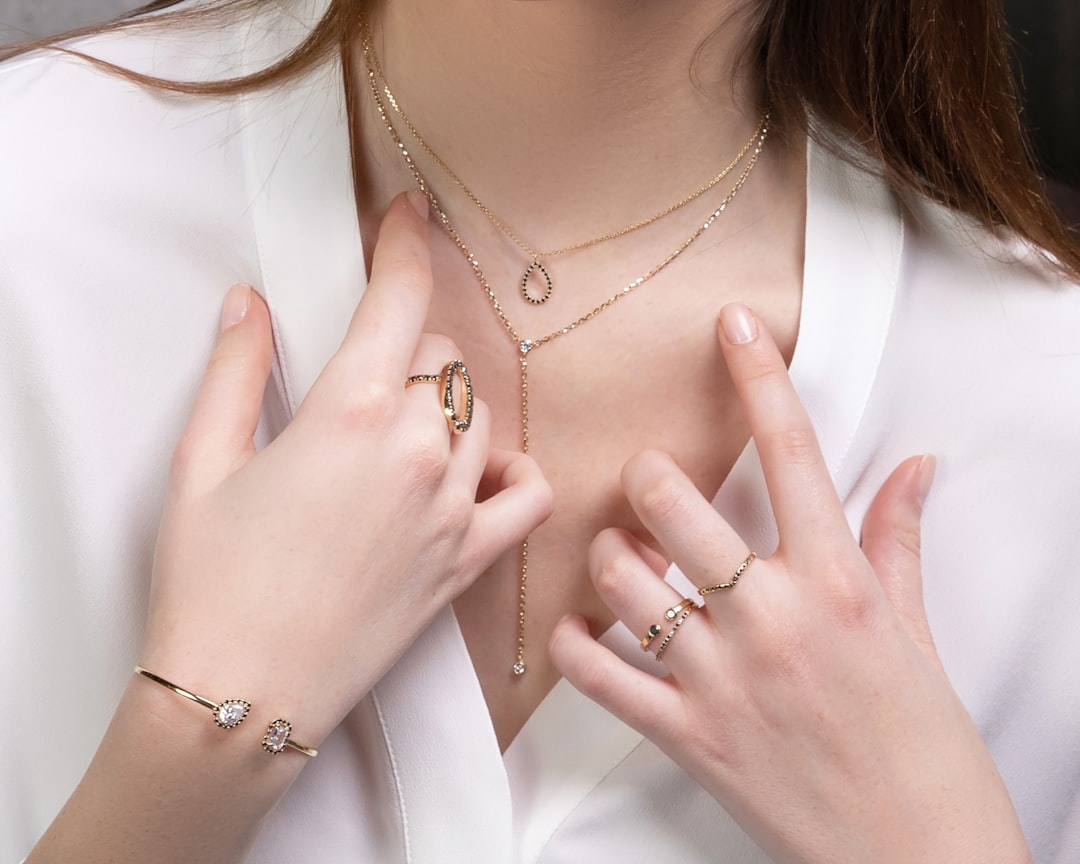

Designers often miss chances by focusing only on new creations, ignoring the value in existing components. There’s a misconception that buyers want solely fresh designs, but many customers care deeply about sustainability and stories behind what they wear. By repurposing materials, designers tap into these desires, producing custom pieces that feel meaningful and environmentally responsible. It also avoids the waste generated when older jewelry is discarded without thought.
The process requires more than just artistic vision. Successful repurposing demands knowledge of sustainable sourcing, ensuring any new materials come from suppliers who minimize environmental impact. Upcycling is key here, the creative reuse of elements to boost their worth rather than discarding them. Designers must maintain design integrity, preserving the quality and aesthetic that respect the original items’ legacy while making them relevant today.
For example, a necklace created from antique brooches can tell multiple stories at once. Each brooch carries its own background but blends into a harmonious whole that feels current. Selecting pieces with compatible metals and styles takes skill; mismatched components can weaken the final product’s look and durability. Many artisans keep detailed notes on each piece’s origin and condition to avoid surprises during assembly or repair.
Sometimes clients bring heirloom jewelry that’s too fragile or outdated for everyday wear. Instead of shelving these treasures, designers can transform them into modern rings or pendants that retain emotional significance while fitting contemporary tastes. This requires clear communication about expectations and limitations because some stones or settings may not adapt well without risking damage. Regularly consulting gemologists or restorers helps maintain balance between preservation and innovation.
Storytelling is a powerful tool in this niche. Sharing the journey of a piece, from its original purpose to its rebirth, builds connection between customer and creation. Most buyers appreciate knowing their jewelry isn’t just another mass-produced item but something crafted with respect for history and environment. Designers often document this narrative through notes or certificates accompanying the piece, adding a layer of authenticity and trust.
If you’re interested in exploring custom repurposed pieces, many online platforms showcase examples of repurposed designer jewelry that fuse artistry with eco-consciousness. These sites often feature detailed descriptions about materials used, techniques applied, and the story behind each item. Communication with artisans is encouraged, asking questions before commission helps prevent misunderstandings about timelines, costs, and design possibilities.
Engaging directly with skilled designers opens doors for collaboration tailored to your preferences. Discussing how to incorporate vintage elements or family heirlooms can lead to unique outcomes you won’t find in stores. Sometimes a quick phone call or video chat reveals details that emails miss, like metal tone subtleties or stone clarity issues. For more information on working closely with artisans who understand these nuances, visit custom jewelry design services.