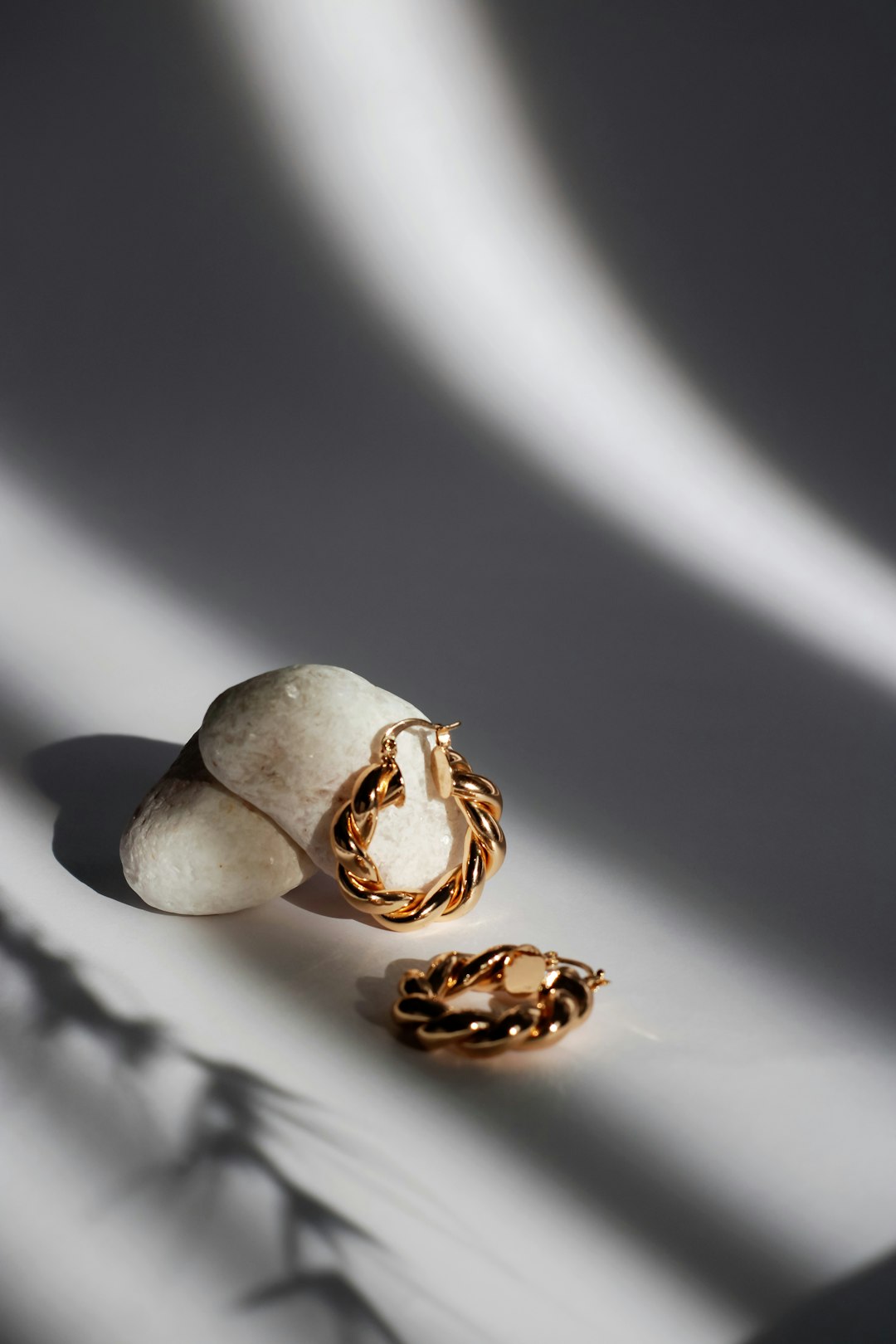
Receiving a piece of jewelry that doesn’t fit your style is more common than you might think. Instead of letting it sit unused, consider giving it a new purpose. Repurposed designer jewelry transforms these overlooked items into fresh, personalized accessories. This approach combines creativity with sustainability, an increasingly important factor for many buyers. It’s not just about looking good; it’s about making thoughtful choices that reduce waste and environmental impact.
Artists and jewelers skilled in working with reclaimed materials are key to this process. Salvaging metals and stones from old or broken pieces helps keep resources in circulation. For example, a damaged pendant can be reshaped into cufflinks or combined with other elements to create a modern ring. These techniques require experience with soldering, stone resetting, and metal shaping. A jeweler will often document each step carefully to avoid damaging fragile components, saving you from costly mistakes.
Every repurposed piece carries a story. Vintage brooches, family heirlooms, or estate jewelry come with history and character. Retrofitting these items bridges past and present, honoring memories while creating something new. Estate sales often yield collections that are perfect candidates for redesign. Business owners specializing in repurposed jewelry frequently source such pieces to offer customers one-of-a-kind designs that stand apart from mass-produced items.
Cost is another compelling reason to choose repurposing. Transforming existing jewelry usually costs less than buying brand-new high-end pieces. For instance, outdated earrings can be reworked into a custom necklace that fits current fashion trends. You’ll want to clarify upfront with your jeweler about the estimated labor and material costs to avoid surprises. Also, some stones lose value when reset improperly, so professional advice is critical.
The craftsmanship involved isn’t trivial. Techniques like soldering, annealing, and polishing demand precision and patience. A jeweler often disassembles multiple items to harvest the best parts before reassembling them into a unified design. During this process, they might recommend replacing certain stones or reinforcing settings for durability. This hands-on expertise ensures the final piece not only looks great but lasts.
If you’re unsure how to start, many designers offer consultations tailored to your preferences and the pieces you want to transform. These discussions help align your vision with practical design constraints and budget. Bringing any documentation or appraisals you have can clarify the value and condition of what you’re repurposing. Taking photos from different angles also helps the jeweler understand what they’re working with.
Choosing repurposed designer jewelry is a deliberate decision reflecting environmental awareness and personal style. It supports a circular economy by extending the life of materials and reducing demand for new mining or manufacturing. The market for responsible fashion continues to grow, and your choice contributes to this shift. By investing in altered pieces, you’re not only acquiring unique accessories but also promoting sustainable practices within the industry.
As you explore options and styles in repurposed designer jewelry, remember that each piece has significance beyond its appearance. Supporting artisans focused on sustainability and embracing designs that tell a story can influence how fashion evolves. For more inspiration and examples of what’s possible, visit repurposed designer jewelry. To explore a wider range of sustainable fashion ideas, check out .