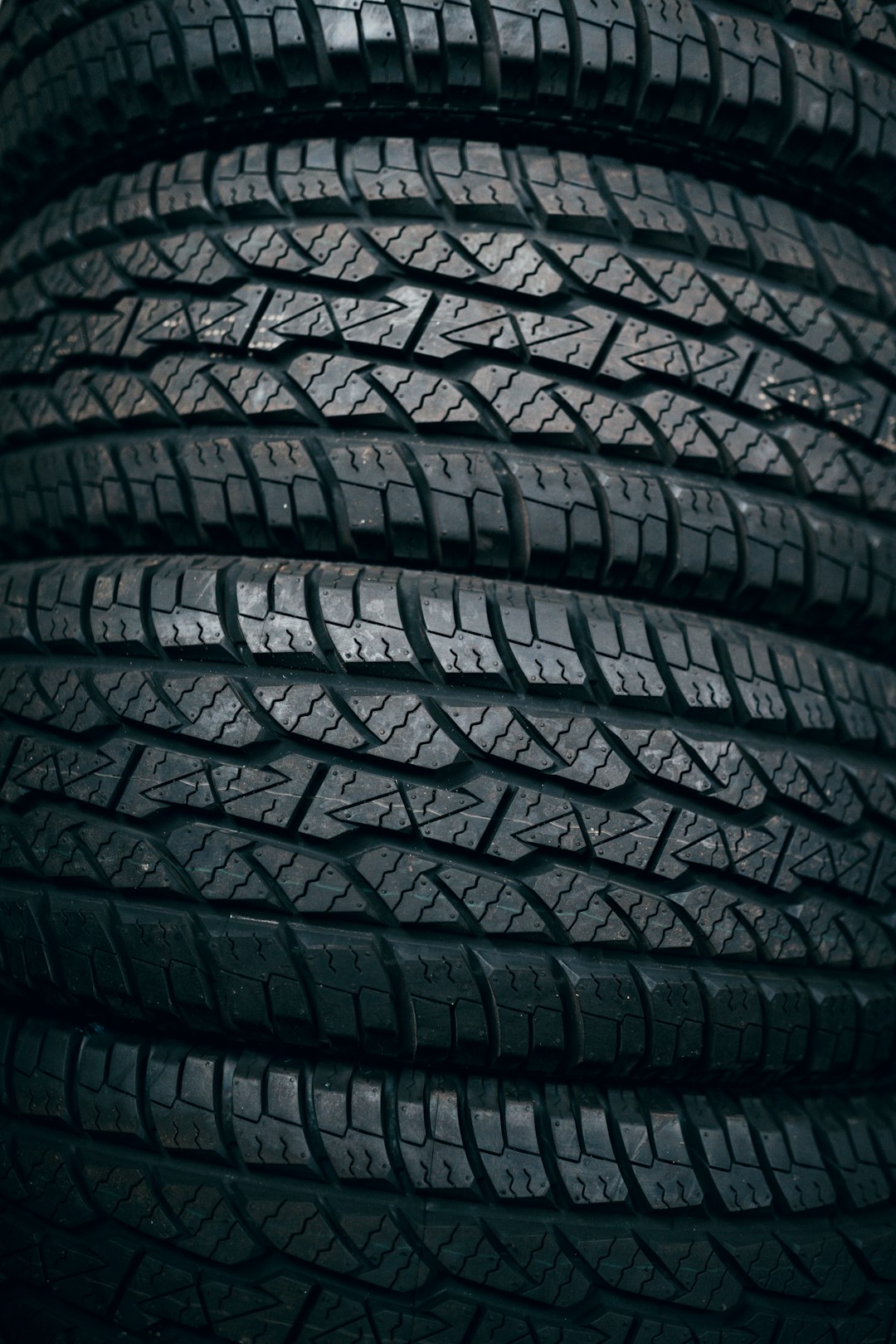

The Dimax ECO is a solid pick if you want to cut fuel costs without giving up decent off-road performance. Its low rolling resistance can shave fuel consumption during city and highway driving. The tread pattern manages mud and gravel reasonably well, but it’s not built for serious rock crawling or deep sand. Drivers who mostly stick to light trails and road trips might find it a good compromise.
If your driving routine mixes pavement with occasional dirt roads, the Dimax R8 could fit nicely. It delivers sharp handling and grip on asphalt, making daily urban driving less of a chore. While it can handle gravel tracks, pushing it into tougher off-road conditions risks premature wear or damage. Remember to check tyre pressure regularly; underinflated tyres can mess with handling and increase puncture chances.
The Dimax R8+ takes a step further by reinforcing sidewalls. This helps with durability on rough surfaces and supports heavier loads, a plus if you haul gear or tow trailers. Its tread is still street-friendly but tougher than the R8. Keep in mind that no tyre can do everything perfectly. If you drive mostly in mixed conditions, balancing street comfort and off-road resilience is key. Inspect your tyres for sidewall cuts after rough trips, as even reinforced walls can suffer unnoticed damage.
Classic car owners might lean towards the Rivera Pro 2 when they want a quieter ride without sacrificing character. It’s designed for vintage vehicles, preserving their look while improving ride comfort and reducing vibrations common with older tyre designs. The trade-off is less aggressive traction on slippery or uneven surfaces. Those who keep their classics mostly on paved roads or gentle country drives will appreciate the mix of style and function.
Choosing the right tyre size and fitment matters as much as the model. Incorrect sizing can cause uneven wear or false readings from your vehicle’s systems. It’s worth double-checking your owner’s manual or consulting a professional before buying. If you’re unsure about what suits your driving habits or vehicle type, specialists at local retailers often have practical advice based on regional road conditions and climate variations.
Before finalising your purchase, think about where you buy tyres. Big chain stores might offer a wide selection but often lack personalised guidance. Local dealers tend to know which models handle local terrain better and can spot fitment issues early. They’ll also help with wheel alignments or balancing, critical steps for avoiding vibration or uneven tread wear down the line. For more detailed info on tyre designs and specs, visit radar tyres.
If you want to check out the full range of options available and get tailored advice for your vehicle, look at tyre options for rugged conditions. Understanding what fits your needs can save money and improve your vehicle’s performance over time.