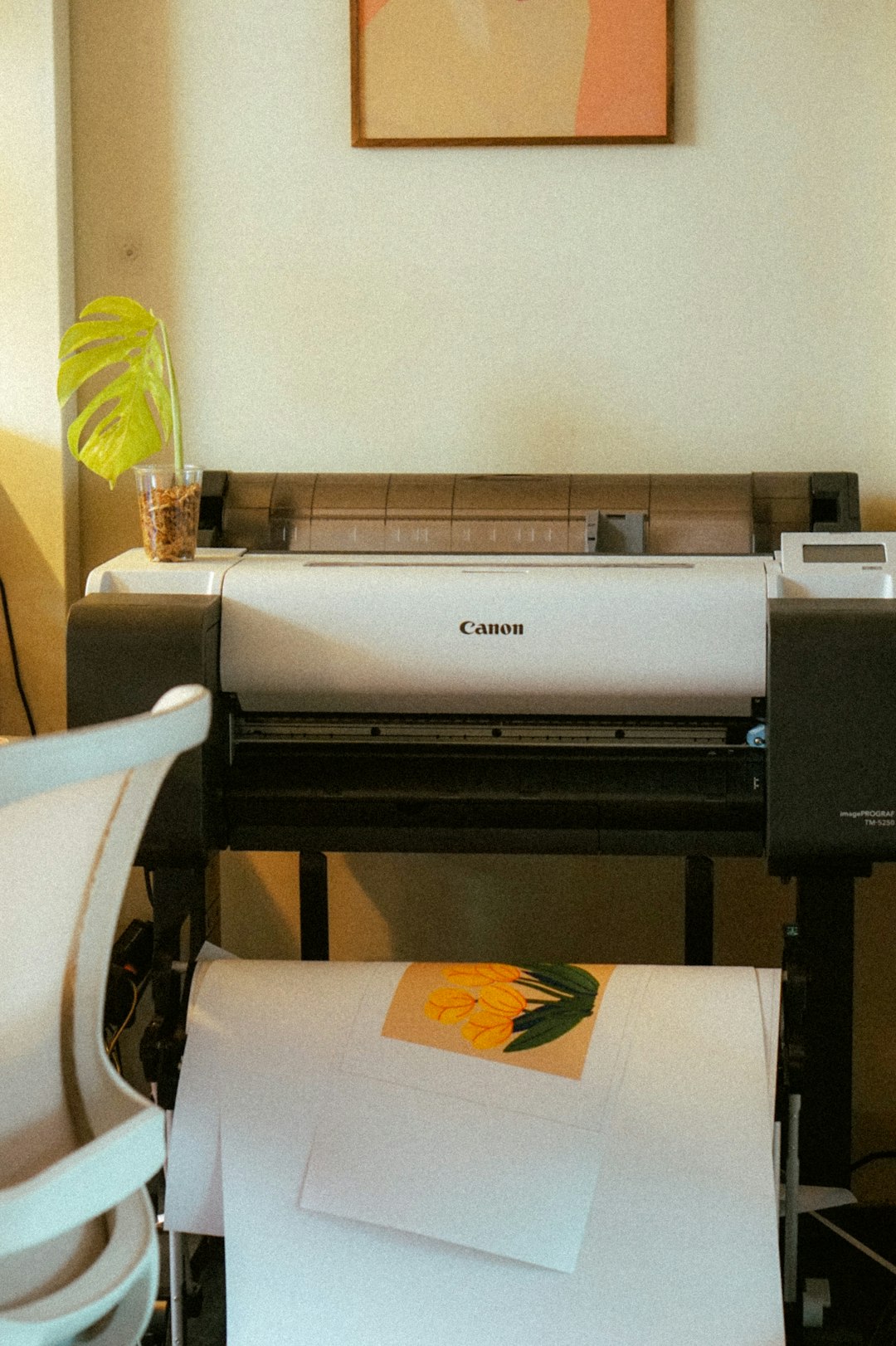

The main choice is usually between an original cartridge made by the printer manufacturer and a remanufactured cartridge that has been cleaned, refilled, and tested by another supplier. Original cartridges tend to offer the most predictable fit and printer support, but they often cost more. Remanufactured options can reduce the price, although quality depends on the refill process, replacement parts, and testing. If you are comparing printer ink cartridges, read the compatibility details rather than relying only on a product photograph. For occasional home printing, the lower purchase price may matter more than maximum consistency.
Page yield means the approximate number of pages a cartridge can print under a defined test pattern. It is not a promise that every user will get the same total. A student printing mostly text may approach the stated yield, while someone producing dark charts, photos, or full-page graphics may use ink much faster. Coverage is the amount of a page covered by printed material. Two cartridges with similar prices can therefore have different running costs. Divide the price by the quoted page yield to estimate cost per page, then treat that figure as a comparison tool rather than an exact household bill.
Inkjet and laser printers use different supplies. An inkjet cartridge holds liquid ink and sprays tiny droplets through nozzles onto paper. A toner cartridge contains a fine powder that a laser printer bonds to the page using heat and pressure. They are not interchangeable, even when the printer names look similar. Inkjet models are often useful for color images and occasional mixed documents, while laser models can suit offices that print many text pages. A person replacing cartridges in a small home office should first identify the printer technology, not simply search for a black cartridge.
Ink itself also varies. Dye-based ink dissolves into a liquid and can produce vivid colors, but some prints may be more vulnerable to fading or moisture. Pigment-based ink uses solid particles suspended in liquid and is often chosen for sharper, more durable text. The printer is designed for a particular formulation, so substituting a different type can affect color, drying, or nozzle performance. A cartridge may also contain a chip that reports ink status and communicates with the printer. If that chip is absent, damaged, or not recognized, the printer may show an error even when the cartridge physically fits.
Price comparisons should include how often you print, not just the shelf price. Someone printing ten pages a month may prefer a standard-capacity cartridge because it ties up less money and is less likely to sit unused. A busy household printing schoolwork every week may find a high-capacity version more economical, provided its price per page is lower and the printer supports it. If you are checking cartridge compatibility details, confirm the region, printer series, capacity, and whether the listing describes a single cartridge or a multipack. These details prevent misleading comparisons.
Storage and handling affect the result after delivery. Keep spare cartridges sealed until needed, away from direct sunlight, high heat, and freezing temperatures. Do not touch the electrical contacts or the print surface, and remove protective tape only when installing. If an inkjet printer sits unused for weeks, its nozzles can dry and cause streaks; a built-in cleaning cycle may help, though repeated cycles use additional ink. Print a small test page when the printer has been idle. The sensible purchase is the cartridge that fits your model, matches your workload, and offers a reasonable cost per usable page.