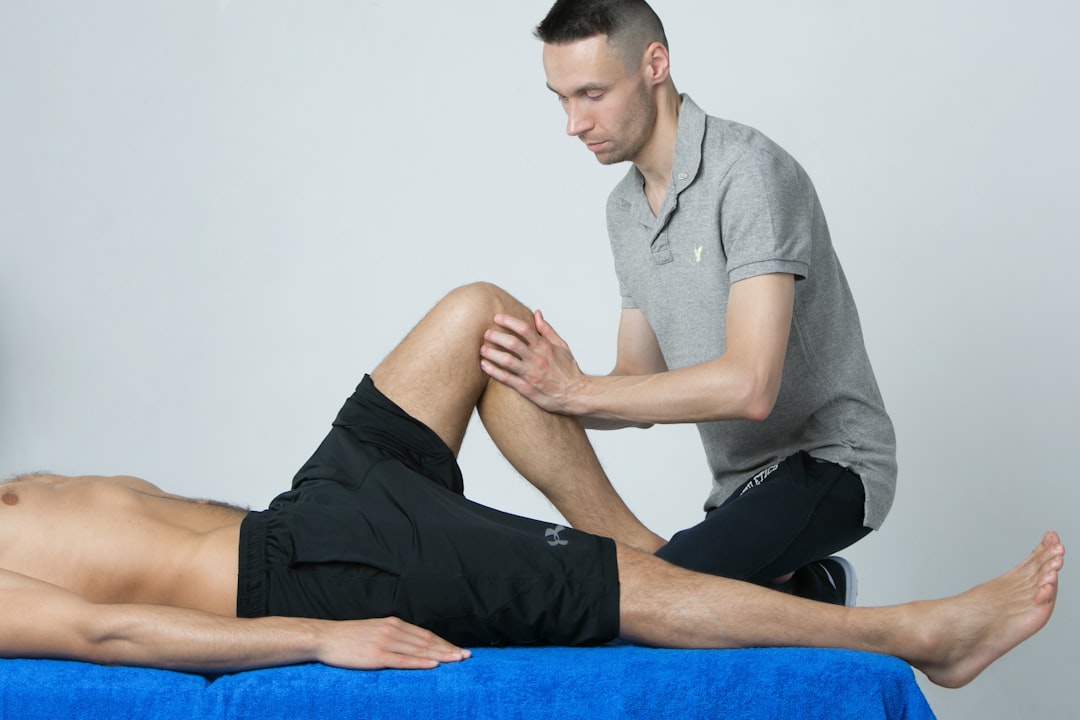

Searching for physiotherapy dubai should lead to more than a convenient appointment slot. Ask how the clinician will explain the working diagnosis, what each exercise is intended to change, and how progress will be measured. The first session may include walking observation, joint movement checks, balance tasks, and strength testing. Range of motion records how far a joint moves comfortably, while strength testing examines force and control. A therapist may write these findings in the clinical notes or give you a simple home exercise record, creating a useful baseline for later comparison.
Neck pain from laptop work often improves through several small changes rather than one dramatic treatment. A therapist might review the height of the screen, the position of the keyboard, and how often the person remains seated without moving. The plan could combine gentle neck mobility, upper back strengthening, and short movement breaks during the workday. Referred pain means discomfort is felt away from the irritated area, so symptoms in the shoulder do not always mean the shoulder is the source. Manual treatment may ease movement, but active exercises help build capacity for the hours spent reading, typing, and carrying a work bag.
A runner with knee pain halfway through a session needs an assessment of training habits, not only a painful knee. The clinician may ask for the last few weeks of distance, pace, hills, rest days, and changes in footwear. Running form, hip control, ankle movement, and recovery between sessions can also affect how the load is distributed. Load management means adjusting activity so the tissues are challenged without being repeatedly overloaded. A simple training diary can reveal that pain follows a sudden increase in distance. Progression might then involve measured changes to distance, resistance, or speed rather than an immediate return to the previous routine.
Pain during exercise is not interpreted in isolation. A therapist may ask whether swelling appears, whether symptoms are worse the next morning, and whether movement becomes less controlled as fatigue develops. These observations are often more useful than treating any single sensation as an automatic sign of harm. Rest can be appropriate for a short period, but stopping all activity until pain vanishes may leave strength and confidence reduced. The practitioner should explain which discomfort is acceptable for the current stage, which symptoms call for a reduction in load, and how to record the response before the next appointment.
After an ankle sprain, uneven pavements, stairs, or a quick turn can feel uncertain even after swelling has settled. Proprioception is the nervous system’s awareness of joint position without needing to look at the limb. Rehabilitation may begin with controlled weight shifting and single leg standing, then advance to reaching, step downs, or hopping if stability allows. The therapist should check balance, ankle movement, confidence, and movement quality before increasing difficulty. Practising near a kitchen counter or another stable support is a sensible safety habit at home. The aim is reliable control during daily activities and sport, not simply completing the hardest exercise.
A clear explanation of symptoms can reduce unnecessary fear without dismissing genuine pain. Pain is influenced by tissue irritation, nervous system sensitivity, stress, sleep, and previous experiences. That does not make it imaginary, and a painful movement is not automatically damaging. Neural tension describes sensitivity or restricted movement along a nerve pathway and may cause symptoms that travel into an arm or leg. Specific movement tests can help a clinician assess that possibility. For people seeking physiotherapy assessment and rehabilitation, it is reasonable to ask what the tests indicate, what can be done safely at home, and what findings would require medical referral.
Practical arrangements affect whether a treatment plan is followed. Before booking, ask about session length, communication between visits, home exercise instructions, and how follow up will work if symptoms change. Keep a note of exercises, repetitions, and next day responses so the therapist can adjust the programme instead of repeating an unsuitable routine. Bring relevant scan reports or medication details if they are available, though an old image does not replace a current assessment. Seek prompt medical advice after major trauma, with severe or rapidly worsening symptoms, new loss of bladder or bowel control, or marked weakness. Good physiotherapy connects careful assessment with active participation and goals that fit ordinary life in Dubai.