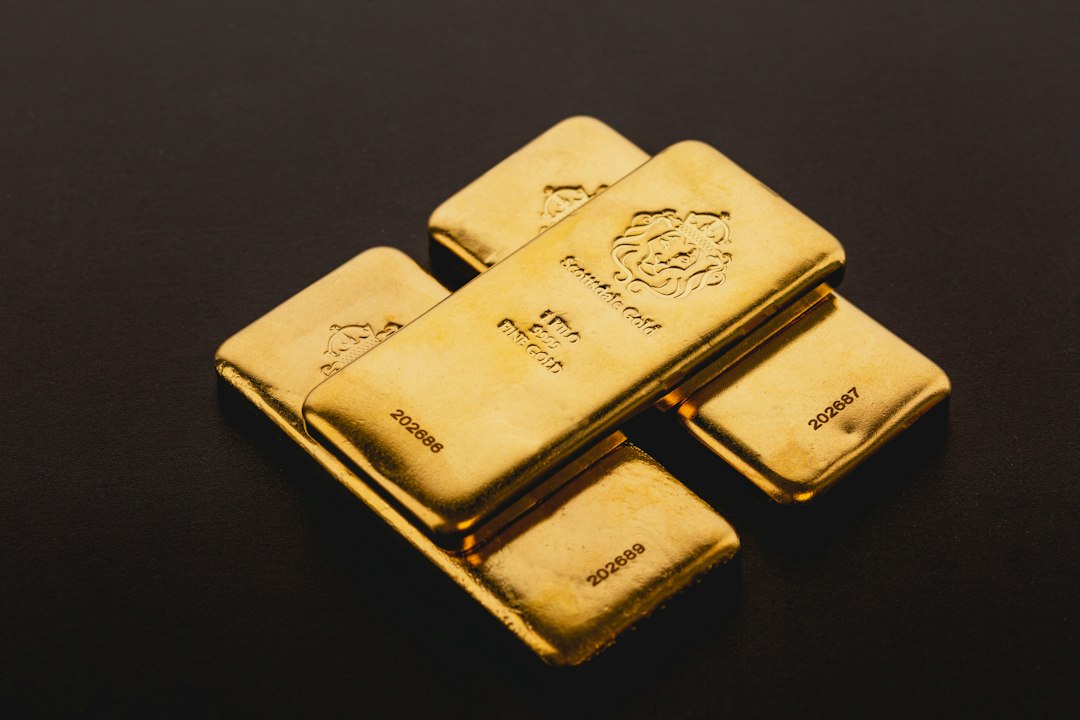

The quoted silver price is usually the spot price, meaning the current market reference for unprocessed silver. A bullion item normally costs more than spot because of its premium. That premium covers fabrication, distribution, secure handling, and the seller’s operating costs. Fineness describes purity, so a piece marked .999 contains 99.9 percent silver by weight. Weight is commonly measured in troy ounces, which are heavier than ordinary household ounces. For example, two products with the same silver content can still have different prices if one has a higher premium or more elaborate production.
Product format affects both cost and convenience. Bars often provide more silver for the money because their design and packaging are straightforward, while coins may be easier for some buyers to recognize and resell. A one-ounce item can suit someone testing the process with a modest purchase. Larger bars may reduce the premium per ounce, but they tie more money to one item and can be less convenient to sell in small portions. Ask whether the quoted weight refers to fine silver content, not merely the gross weight of a bar containing other material.
Choosing a provider requires more than comparing the headline price. Check whether the listing clearly states the metal’s purity, weight, final price, delivery terms, and any payment or collection conditions. Look for a clear explanation of how the business handles orders and buybacks, rather than assuming every dealer offers the same route out. You can also review silver buying considerations while comparing providers. A transparent quote lets you compare like with like and reduces the risk that a low initial price hides a separate charge.
Consider the spread, which is the difference between what you pay to buy and what a dealer may offer when you sell. A narrow spread generally makes it easier to recover costs, although it can change with market conditions and product type. Suppose you buy a bar at a substantial premium and need to sell soon after delivery. Even if the spot price has barely moved, the resale offer may be lower than your purchase price. This is why silver bullion is usually better approached as a longer-term holding than as a quick trade.
Storage and delivery deserve a place in the budget. At home, a small purchase may fit a discreet, documented storage arrangement, but you must consider theft, access, and insurance conditions. Professional storage can reduce some practical burdens, yet it may involve ongoing fees and less immediate access. Keep invoices, product details, and photographs in a secure record. If you are buying several items over time, record the date, weight, purity, and total cost for each purchase so you can assess your average price accurately.
Your choice should match your purpose and tolerance for inconvenience. A cautious first-time buyer might choose a small, widely recognized item, compare two fully loaded quotes, and leave cash available for emergencies. Someone building a larger holding may favor standardized bars, accept storage costs, and spread purchases across several dates rather than committing everything at once. Neither approach removes price risk. Before ordering, confirm the total amount, delivery or collection process, documentation, resale route, and how the product fits your wider finances. That checklist makes Irish silver bullion a considered purchase rather than an impulse decision.