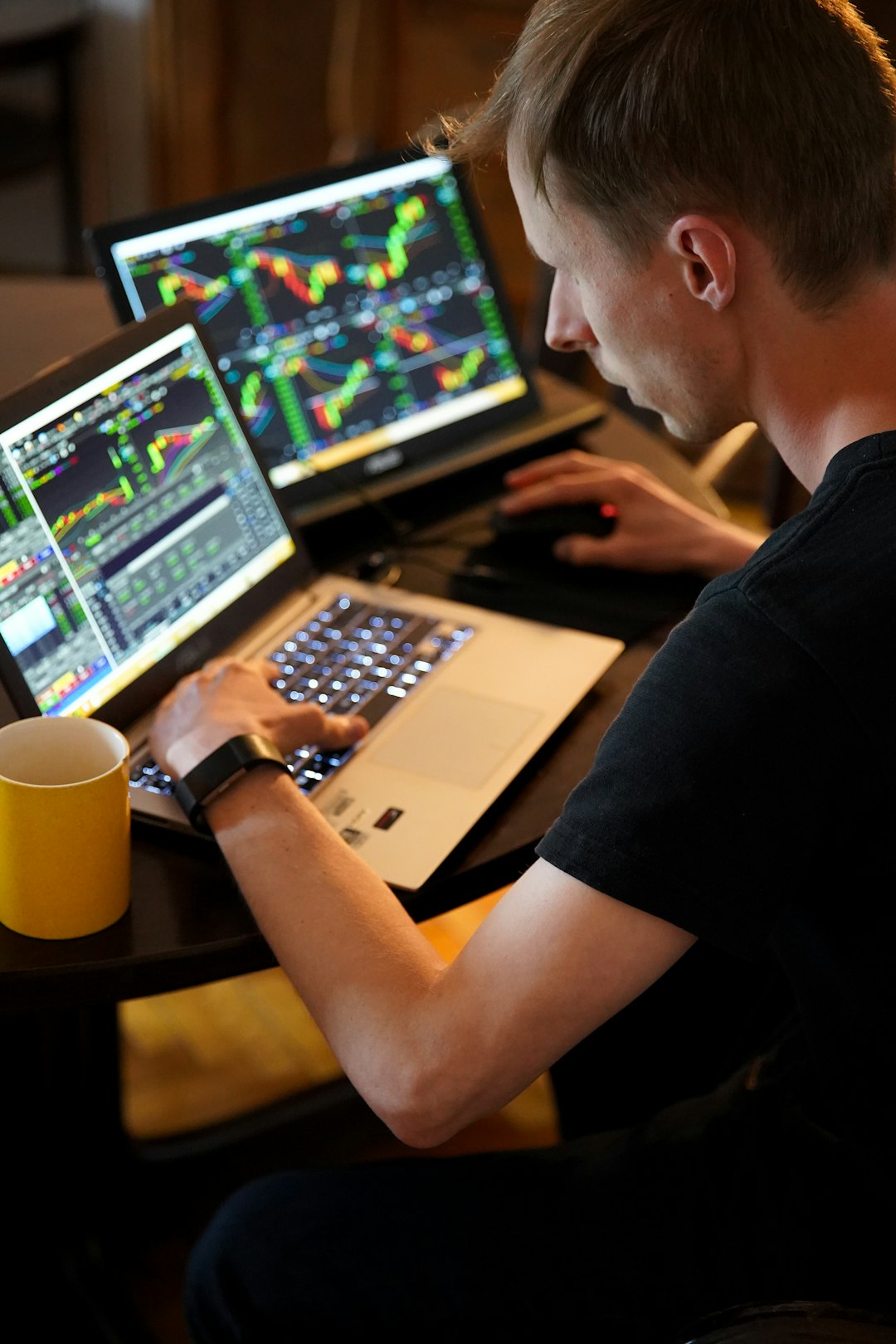
Sitting in front of your trading screen, watching prices swing wildly, it’s easy to feel your heart race. Hesitation often creeps in, fueled by anxiety about losses. These emotional reactions, fear, greed, frustration, are part of the trader’s experience but rarely talked about openly. Understanding how your mind works during these moments can make a real difference. Traders who learn to identify their emotional triggers often find they make clearer decisions and stick to their plans better. For example, keeping a trading journal not only tracks performance but also reveals patterns in emotions that lead to mistakes.
Impulse control is a major challenge. Overtrading is a classic pitfall where the urge to recover losses pushes traders into reckless moves. After a bad day, it’s tempting to double down or open more positions without proper analysis. This usually backfires, increasing losses instead of cutting them. One practical method to counter this is setting strict daily loss limits and enforcing cooling-off periods whenever those limits are hit. Techniques borrowed from cognitive behavioural therapy can also help reframe harmful thought cycles, like the idea that one big trade will fix everything.
Attachment to specific trades or strategies often clouds judgement. Sticking rigidly to a losing position because you ‘believe’ it will turn around wastes time and capital. Experienced traders learn to cut losses quickly and adjust strategies as markets shift. Mindfulness exercises can build awareness of these tendencies by teaching you to observe thoughts without acting on them impulsively. This mental space creates room for more objective decisions rather than emotional reactions.
The N P Financials Trader Psychology Program addresses these issues head-on. It offers guided sessions focused on mindfulness, emotional regulation, and self-reflection tailored for traders. Participants practice techniques designed to reduce stress and improve concentration during volatile sessions. Alongside practical skills, the program encourages traders to identify personal psychological triggers that affect their habits and choices.
Kerri Brown leads the program with hands-on experience in applying psychological principles to trading challenges. Her approach blends standard therapy methods with innovative tools like hypnotherapy, which can help uncover deep-rooted fears that sabotage performance. She stresses that addressing these fears directly enables traders to approach markets with a calmer mindset and greater confidence.
Trader psychology covers how thoughts, feelings, and behaviour interact during trading decisions. It’s not just about controlling emotions but understanding why certain patterns emerge under pressure. Having resources that explore these dynamics can clarify confusing experiences many traders face. The website psychology for traders provides accessible explanations and exercises to deepen this understanding.
Before joining programs like these, traders should be ready to commit time and effort to self-exploration and skill-building. It’s common for people to underestimate how much practice is needed to change ingrained habits. Regular reflection on trades and consistent application of new techniques are key. Over time, this work builds resilience and steadiness in handling market swings.
Mental strength matters as much as analytical skill in trading. Investing in your psychological toolkit can prevent costly errors and improve consistency. The resources available through trader mindset coaching options offer structured support for those serious about growth. Taking steps now can help you face market volatility with steadiness instead of stress. Additional strategies include setting realistic goals, practicing patience, and learning from both successes and failures to continuously improve your trading approach.