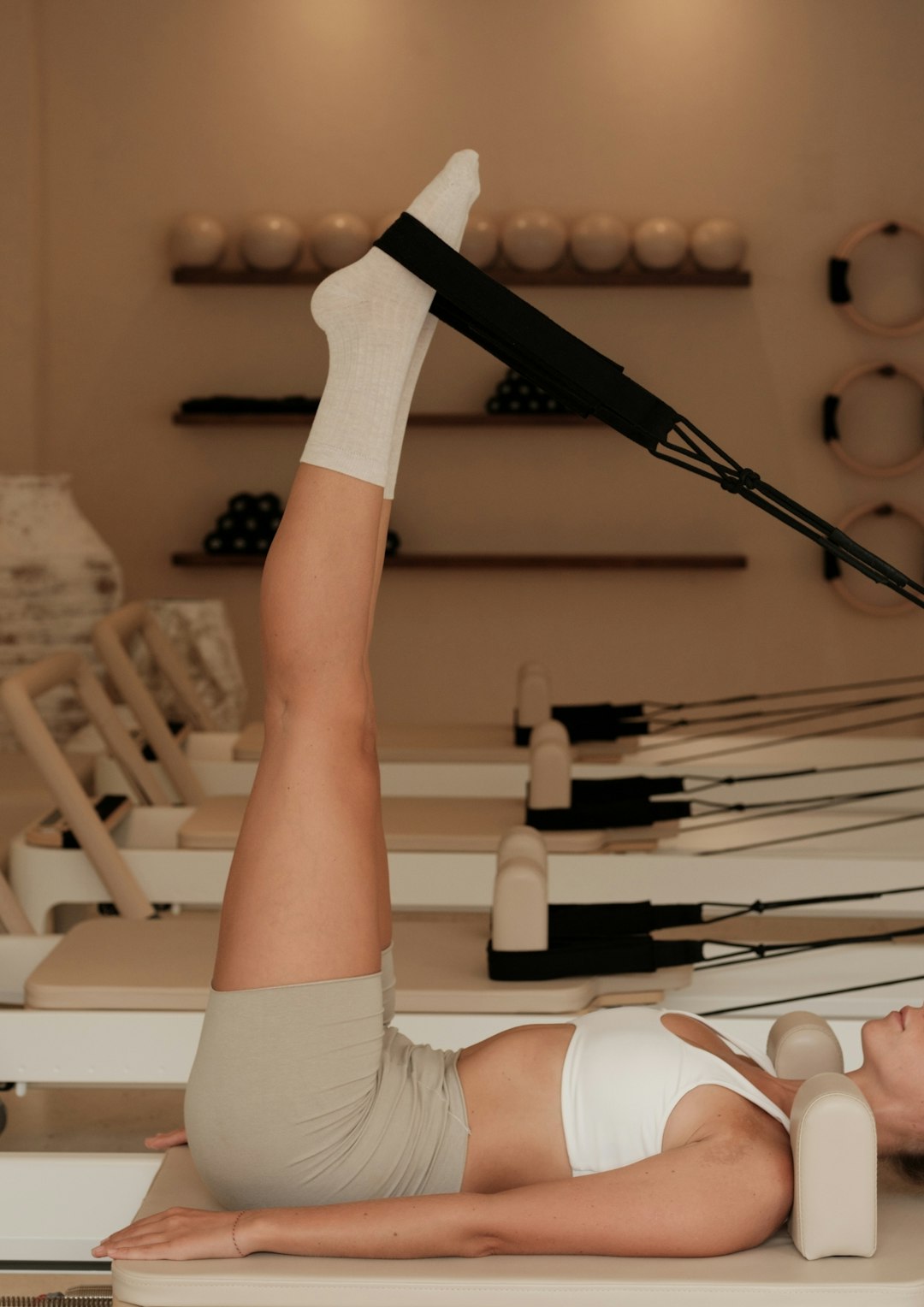
After knee surgery, patients often face a tough road to regain movement and strength. Traditional physiotherapy exercises can feel repetitive and draining, causing some to lose motivation. Sticking to only standard protocols without exploring other options can slow progress. Pilates offers a practical alternative that brings variety and targeted benefits. Its low-impact routines emphasize core stability, flexibility, and mindful control of movement, which complements physiotherapy well. For example, Pilates can help patients improve knee joint control by engaging muscles that standard rehab might overlook, speeding up functional recovery.
Consider someone dealing with persistent lower back pain. Physiotherapy might focus on muscle stretches and joint mobilizations, but if core muscles and posture aren’t addressed, relief may be temporary. Clinical Pilates teaches patients how to coordinate breathing with precise movements while maintaining proper alignment. This approach relieves pain and builds lasting strength by encouraging active participation rather than passive treatment. Patients often report feeling more in tune with their bodies and better equipped to manage symptoms between sessions.
Physiotherapists start by carefully assessing a patient’s movement patterns, looking for imbalances or weaknesses that contribute to dysfunction. Using this information, they design Pilates exercises tailored to correct those issues instead of relying on generic routines. This targeted strategy improves movement efficiency and reduces the risk of re-injury. For instance, a therapist might note poor hip stability affecting knee mechanics and prescribe specific Pilates moves to strengthen those stabilizers.
Breathing techniques stand out as a shared focus in both disciplines. Pilates uses controlled breathing to maximize core activation and promote relaxation during exercise. Physiotherapy incorporates breath awareness for pain control and enhancing respiratory function. Combining these practices helps patients manage discomfort better and supports overall health beyond just physical healing.
One practical point often overlooked is communication between therapist and patient. Clear explanations about why certain Pilates movements are chosen help prevent frustration and ensure correct execution. Therapists may provide written instructions or videos for home practice, reinforcing proper form and consistency. This habit reduces common setbacks caused by misunderstandings or incorrect technique outside the clinic.
For anyone curious about blending these approaches, it’s worth looking into services that integrate both disciplines thoughtfully. Professionals who understand how Pilates and physiotherapy complement each other can tailor plans that address individual needs precisely. Checking credentials and treatment philosophies before committing can save time and improve outcomes.
Rehabilitation doesn’t have to be dull or purely mechanical. Adding Pilates introduces an element of control and engagement that many patients find motivating. The focus shifts from simply completing exercises to mastering quality of movement, which fosters confidence during recovery. Patients often find this combination helps them stay committed and make steady progress.
Beyond physical benefits, embracing Pilates alongside physiotherapy encourages a mindset change. Patients learn to listen to their bodies, recognize early signs of strain, and adjust accordingly. This proactive approach can prevent minor issues from becoming setbacks. Small details like practicing breathing techniques daily or maintaining posture awareness during routine activities contribute significantly to long-term success.
For more information on how these methods work together effectively, visit back pain management options. Exploring integrated care can open new pathways to healing that suit your lifestyle and goals.