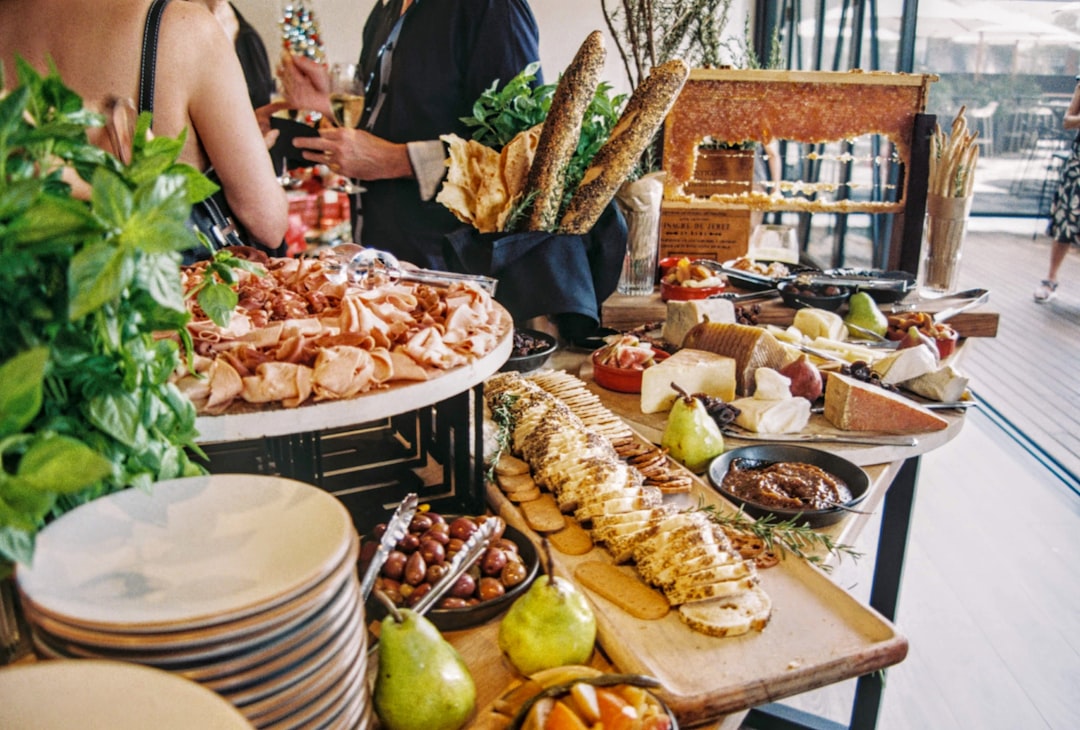
As New Year’s Eve approaches, catering businesses often face a surge in last-minute orders. One company found itself overwhelmed when corporate clients placed bulk requests with little lead time. The team was short-staffed and inventory ran thin, causing them to miss delivery times and upset clients. Part of the problem was poor communication about menu choices and delivery windows, leading to confusion both on the kitchen floor and with customers. A more detailed order confirmation process, like double-checking client preferences in writing, could have reduced mistakes.
The root problem was a lack of proactive planning for the holiday rush. The company did not review previous years’ order volumes or set up backup staffing plans. This meant they scrambled to source ingredients last minute and had insufficient hands to prepare and deliver orders promptly. An effective approach would involve analyzing past trends to forecast demand and scheduling extra staff or temporary workers accordingly. Keeping a buffer stock of popular items also helps avoid last-minute shortages.
Menu customization was another sticking point. Several clients requested tailored menus to accommodate allergies or dietary restrictions, but the kitchen was unprepared for such variety. The staff often had to improvise on the spot, which slowed down service and increased stress. Offering a handful of preset menu packages with built-in flexibility for common dietary needs would streamline operations. For example, having vegetarian, gluten-free, and nut-free options clearly defined reduces confusion and speeds up preparation.
Communication channels were inefficient. The company relied heavily on phone calls and emails to confirm orders, which sometimes got lost or misunderstood amid the holiday rush. Implementing an online ordering platform would allow clients to select menus, specify dietary requirements, and confirm delivery details clearly. Real-time updates on order status would also keep everyone informed and reduce follow-up calls. This kind of transparency builds trust and cuts down on errors caused by miscommunication.
Logistics on New Year’s Eve proved challenging as well. Heavy traffic and road closures led to late deliveries and frustrated customers. The team underestimated travel times between venues and failed to build in contingency buffers for weather or congestion. Planning delivery routes in advance using mapping software can help identify the fastest paths and alternative routes. Scheduling staggered delivery slots with extra time cushions prevents last-minute rushes and missed windows.
For caterers aiming to improve their New Year’s service, these lessons offer clear guidance. Forecasting demand based on historical data helps avoid being caught off guard. Streamlining menus with flexible options reduces kitchen chaos. Using digital tools to manage orders improves clarity and reduces errors. Planning logistics carefully ensures deliveries arrive on schedule even under pressure. These practical steps help maintain quality when volumes spike.
Technology can support these improvements further. Inventory management software that tracks stock levels automatically can alert managers when supplies run low during busy periods. Setting up checklists for order confirmation and delivery procedures prevents oversights. Regular staff briefings before high-demand events ensure everyone knows their roles and expectations. These small, lived-in habits make a difference when the pressure is on.
The key takeaway is that New Year’s catering demands more than just good food; it requires detailed preparation and clear communication behind the scenes. Learning from past mistakes like inadequate forecasting or poor messaging helps caterers deliver reliable service year after year. For those exploring options this season, consider how effective planning and technology can make your new years catering stand out from the rest.
Planning well ahead also means checking documents like supplier agreements and delivery schedules to avoid surprises. Confirming order details directly with clients via an easy-to-use online system reduces back-and-forth and missed steps. For advice on managing holiday catering efficiently, holiday event meal planning offers practical guidance tailored to this busy time.