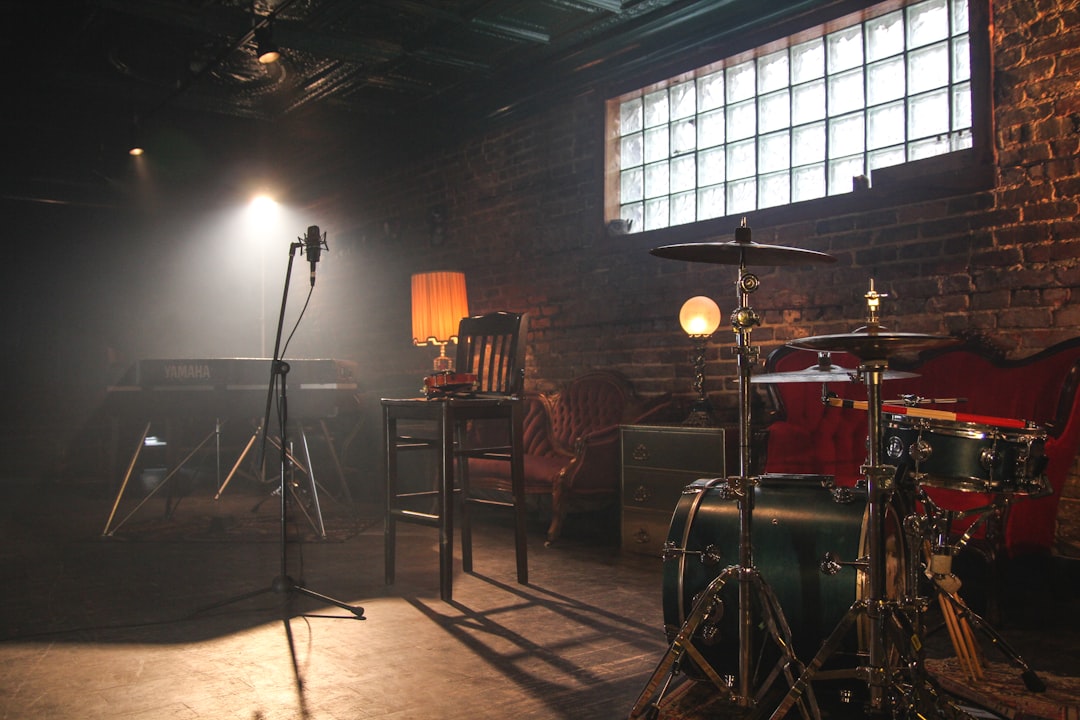

Skipping or rushing through sound checks is a frequent error. A proper sound check takes time to balance each instrument and vocal level, which helps prevent common issues like muddled lyrics or unexpected feedback. Venue staff should schedule at least 30 minutes before doors open for detailed sound tests. It’s also smart to have a tech person on hand throughout the event to adjust levels as needed since room acoustics can shift once the audience arrives.
Not considering what the local audience prefers can tank turnout. Booking bands based on personal favorites or current fads without checking if the crowd will respond can leave seats empty. For example, if your venue usually hosts folk or indie acts, suddenly bringing in a heavy metal band might confuse regular patrons. Polling your social media followers or reviewing past event attendance can guide you on which genres to feature.
Scheduling issues cause avoidable headaches. Overlapping set times or poorly coordinated changeovers confuse both performers and fans. If one band is still packing up while the next is trying to set up, momentum drops and people start drifting away. Creating a detailed timeline with clear cues for each act and their crew keeps things moving smoothly and maintains energy levels.
Promotion still matters a lot. Relying on flyers alone or word-of-mouth limits your reach these days. Using online platforms like Instagram or Facebook, sharing videos or behind-the-scenes photos, makes potential attendees feel connected before the show even starts. Partnering with local music bloggers or influencers can extend your message further and give your event credibility.
Building solid relationships with musicians pays off. Bands who feel respected and welcomed are more likely to promote shows enthusiastically and return for future gigs. Offering simple perks like food, drinks, and a comfortable green room signals you value their work. Clear communication about schedules and expectations reduces misunderstandings that can sour these partnerships.
A common small detail often missed is providing accurate stage plots and input lists ahead of time. This helps sound engineers prepare properly and avoid last-minute chaos. Also, confirming transport and parking arrangements with bands prevents delays that can throw off the entire night.
Finally, tracking feedback from both artists and audiences after events helps identify what worked and what didn’t. A quick survey or informal chats can reveal issues not obvious during the show and guide improvements. Keeping notes on preferred equipment setups or ideal set lengths tailors future bookings to what fits best.
For more practical tips on hosting great live music, check out live bands in san diego. To explore ways to improve your venue’s music nights, visit .