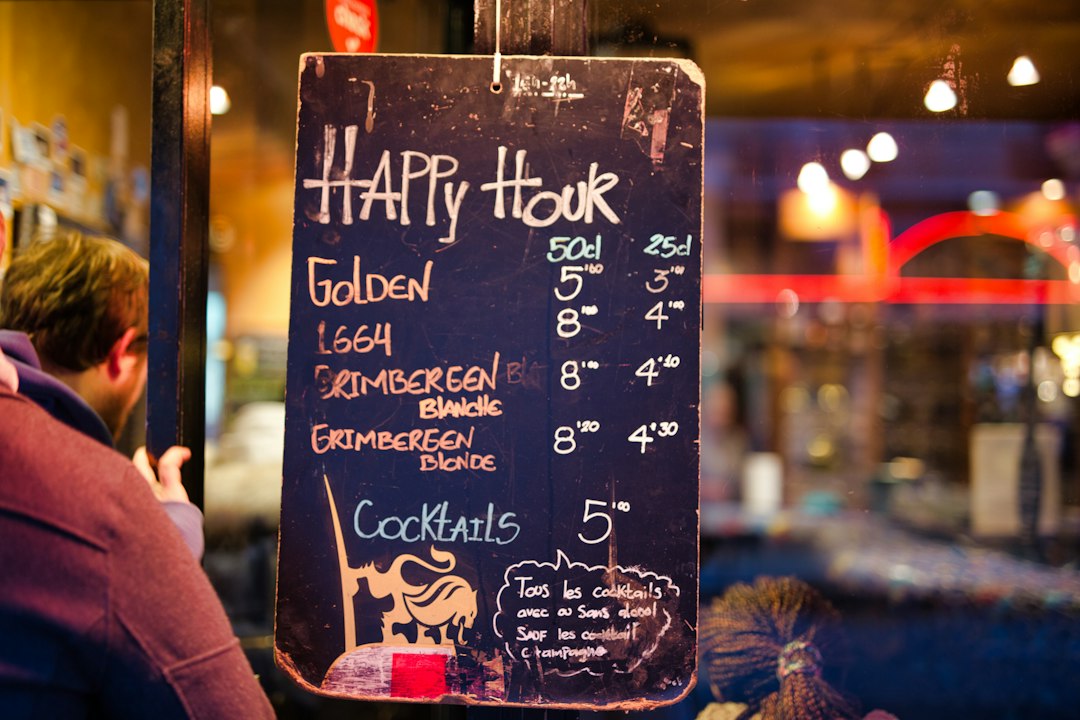

Price deserves the same attention as location. A drink or food item listed on a menu may not represent the final amount because sales tax, service charges, or a preset gratuity for larger parties can be added. Spend per head means the average amount assigned to each guest, but ask whether the figure is calculated before or after those additions. If a team has a $600 budget for ten people, the working allowance is $60 per guest, not necessarily $60 worth of menu items. Request a sample estimate and ask whether tax and service are included.
A minimum spend is the amount a group agrees to purchase, commonly through food and beverages, during a reserved period. It may be separate from a room fee, and the written terms determine what happens if the group falls short. A party of twelve could reserve a section with a $900 minimum, then learn that an early departure does not reduce the obligation. Before paying a deposit, ask whether the minimum applies to the entire party, whether unused spending is refundable, and how no shows affect the calculation. Keep the confirmation email with the final terms.
Timing can affect both service and the bill. Financial District offices may empty in waves, so a 5:30 reservation can begin with three guests and fill gradually over the next twenty minutes. Ask how long the table or area is held, whether late arrivals can be seated, and whether the venue has a grace period before releasing it. If the group has a firm train deadline, share that information with the person coordinating the booking. A fixed arrival plan, early food order, and assigned contact person are often more useful than simply choosing the earliest available slot.
The gathering’s purpose should shape the format. A casual team catch up may need shared snacks, flexible seating, and a straightforward drink menu. A client meeting calls for enough room to talk, dependable attention from staff, and a setting that does not force guests to compete with the music. Searching for happy hour financial district may return spaces beyond the neighborhood, so verify the street address before sending an invitation. A venue in Flatiron, for example, should be presented as a different destination rather than as a Financial District bar.
Sound, access, and food placement belong in the initial conversation, not in a last minute checklist. Hard surfaces and crowded layouts can make separate conversations blend together, which matters if guests must make introductions or hear a short presentation. Ask about seating, music levels, step free entry, restroom access, and the route from the entrance to the reserved area. Also check whether shared dishes can be placed where everyone can reach them. These details are easy to document in an inquiry email and harder to correct after guests have arrived.
A ten person project team with an early reservation and a strict train cutoff may prefer a short set menu and food ordered soon after arrival over an open ended tab. For a twelve person client gathering, substantial nonalcoholic choices and shareable food can accommodate guests who do not drink without making the event feel formal. Before booking, read the cancellation language, note the deadline for the final guest count, and save the signed agreement or confirmation. If the plan shifts to a private rooftop event space in Flatiron, confirm the location, travel time, buyout terms, and reservation window separately.