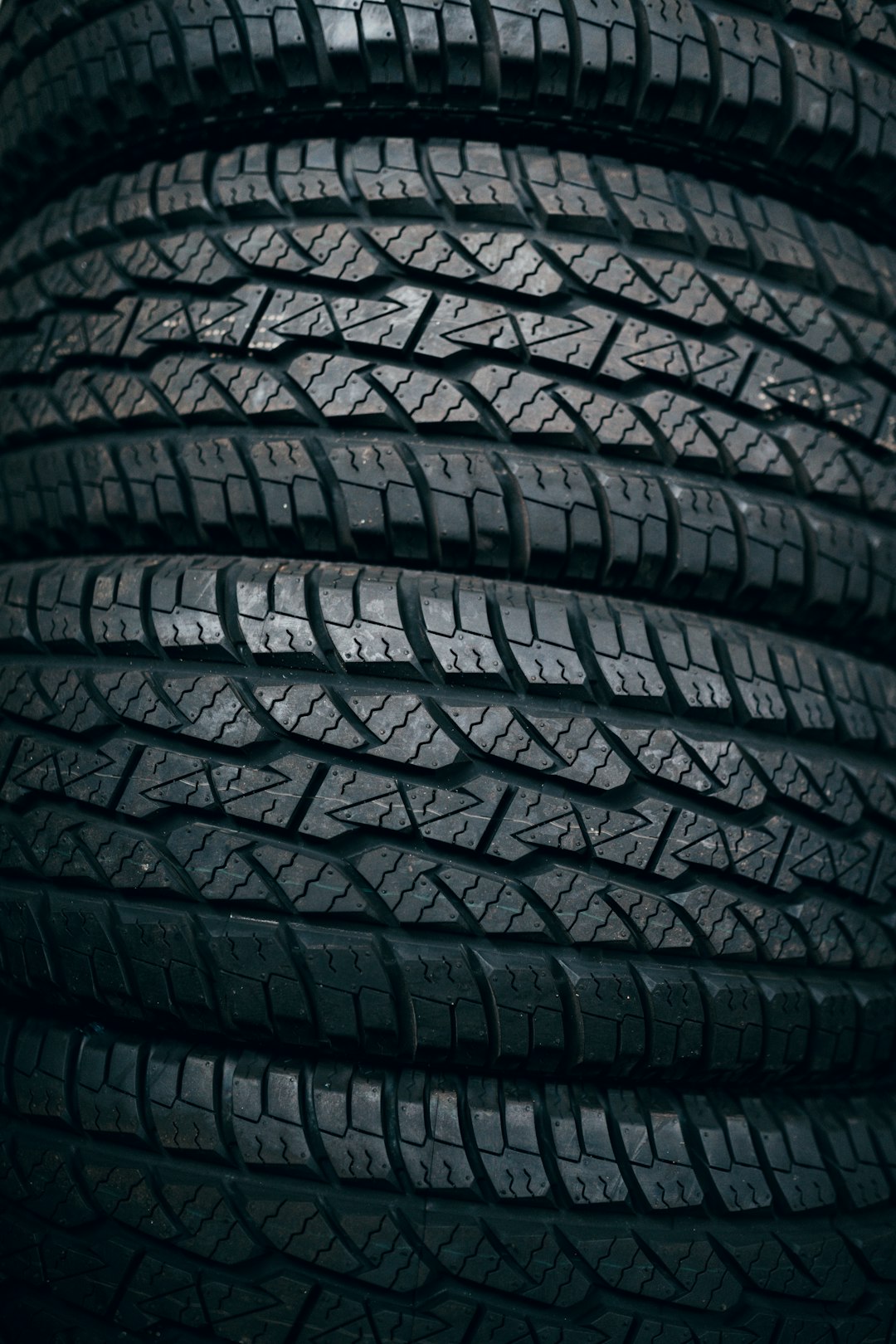

Tread design has a big impact on how well tyres perform in the field. Deeper treads with pronounced lugs help grip soft or wet ground by displacing water and mud. Larger, spaced-out lugs prevent clogging, so the tyre stays effective rather than spinning uselessly on slippery surfaces. For example, in wet paddocks, tyres with wide lugs channel water away to keep contact with the soil. Choosing a tread pattern suited to your usual terrain can save hours stuck trying to free vehicles.
Load capacity is another factor often overlooked until a problem occurs. Agricultural vehicles can carry heavy loads, and the tyres must support this weight without risk of damage. Using tyres rated below your vehicle’s maximum load can cause blowouts or uneven wear, leading to unsafe conditions and costly replacements. Checking the load index stamped on the tyre sidewall against your vehicle’s maximum load is a simple but vital step. Also, remember that under-inflated tyres reduce capacity and increase wear.
Durability matters because farm work punishes tyres with constant exposure to rocks, stubble, and rough ground. Hard-wearing materials and reinforced sidewalls extend tyre life and decrease the chance of punctures. Investing in quality tyres may seem expensive upfront but pays off by reducing downtime and replacement costs. It’s common to see cheaper tyres fail prematurely due to cuts or tread chunking, which disrupts work schedules.
Maintaining correct tyre pressure is a habit every farmer should develop. Low pressure leads to poor fuel efficiency, slower speeds, and uneven tread wear. It also increases the chance of tyre damage when carrying heavy loads. Checking pressures weekly or before major tasks like sowing or harvesting helps catch leaks early and ensures the vehicle runs smoothly. Many operators keep a pressure gauge handy in their tool kit for quick spot checks.
We understand the demands placed on farm vehicles and offer a selection of wheels and harvest tyres designed specifically for agricultural use. Our range includes options tailored to different soil types and load requirements, helping you find the right match without overspending. We also provide advice on installation and maintenance to keep your equipment running longer.
If you want more details about our products or need a free quote, please discuss tyre options with our team. We’re here to help you pick tyres that suit your farming conditions and vehicle needs. Stop by during business hours to talk through what will work best for your setup and avoid unnecessary tyre problems down the line.