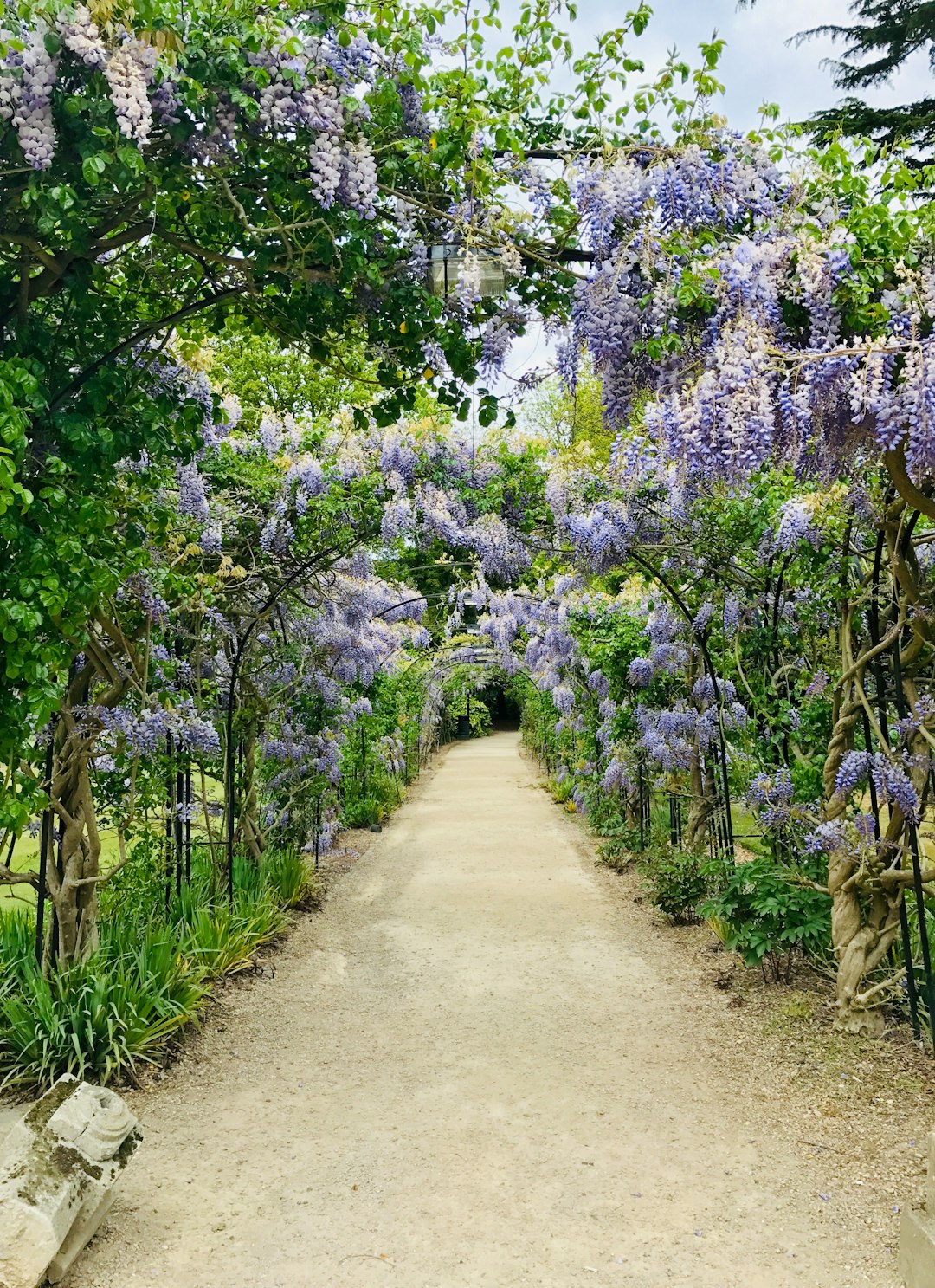
Garden design in Ontario presents a unique opportunity to blend natural beauty with thoughtful planning. The province’s diverse climate zones, ranging from the temperate south to the cooler northern regions, necessitate a strategic approach to landscape creation. Homeowners and property developers alike must consider a variety of factors, including soil quality, native plant species, and seasonal changes, when planning a garden that is both functional and visually appealing.
A successful garden design in Ontario often begins with an understanding of the local environment. Soil composition can vary significantly across the province, influencing plant selection and irrigation needs. In southern Ontario, loamy soils support a wide range of perennials, shrubs, and trees, while areas with sandy or clay-heavy soil may require more selective planting and soil amendments. Knowing what plants thrive naturally in your area is a foundational step in developing a sustainable and low-maintenance garden.
Incorporating native plants is not only beneficial for the garden’s health but also supports local biodiversity. Species such as coneflowers, black-eyed Susans, and wild bergamot are well-suited to Ontario’s climate and attract pollinators like bees and butterflies. Native grasses and shrubs can also provide texture and year-round interest without the need for intensive care. Integrating these elements can enhance the overall resilience of the garden and reduce reliance on chemical fertilizers or pesticides.
Seasonal variation is another critical consideration in Ontario garden design. Winters can be harsh, particularly in northern regions, so selecting plants with strong cold tolerance is essential. Designing with all four seasons in mind ensures that the garden remains visually engaging throughout the year. Spring bulbs such as tulips and daffodils offer early color, while summer perennials provide long-lasting blooms. In autumn, ornamental grasses and deciduous shrubs add warm tones, and evergreen plants maintain structure during the winter months.
The layout of a garden should also reflect the needs and lifestyle of the property owner. Functional considerations, such as pathways, seating areas, and focal points, play a significant role in the usability of the space. A well-designed garden balances open spaces with more intimate zones, encouraging movement and interaction while providing areas for rest and reflection. Strategic use of hardscape elements like stone, wood, and gravel can define these areas and complement the natural surroundings.
Water management is particularly important in Ontario, where precipitation levels and drainage conditions can vary. Incorporating rain gardens, permeable paving, and other environmentally conscious solutions helps manage stormwater runoff and supports sustainable practices. These methods not only protect the local watershed but also add unique aesthetic components to the garden design.
For those seeking professional assistance, many experienced designers in Ontario specialize in creating landscapes that align with both personal preferences and ecological principles. These experts can guide property owners through every phase of the process, from initial concept to final installation. Services might include site analysis, plant selection, and the integration of features such as lighting or irrigation systems. Engaging with professionals ensures a cohesive design that respects the natural character of the land while achieving the desired aesthetic goals.
Those interested in learning more about garden design ontario can explore a range of resources that highlight best practices, inspiring ideas, and practical tips for transforming outdoor spaces. Whether working with a compact urban lot or a sprawling rural property, thoughtful garden design can significantly enhance the value and enjoyment of any home.
In addition to plant selection and layout, maintenance considerations should not be overlooked. A garden designed with long-term care in mind will be easier to manage and more likely to thrive. This includes choosing plants with similar water and sunlight needs, using mulch to retain soil moisture, and planning for seasonal upkeep tasks. By taking a proactive approach, garden owners can ensure their landscapes remain vibrant and healthy for years to come.
For more insights into sustainable outdoor living and landscape planning in the region, visit this resource on nature-inspired design. With careful planning and attention to detail, garden design in Ontario can yield spaces that are not only beautiful but deeply connected to the local environment.