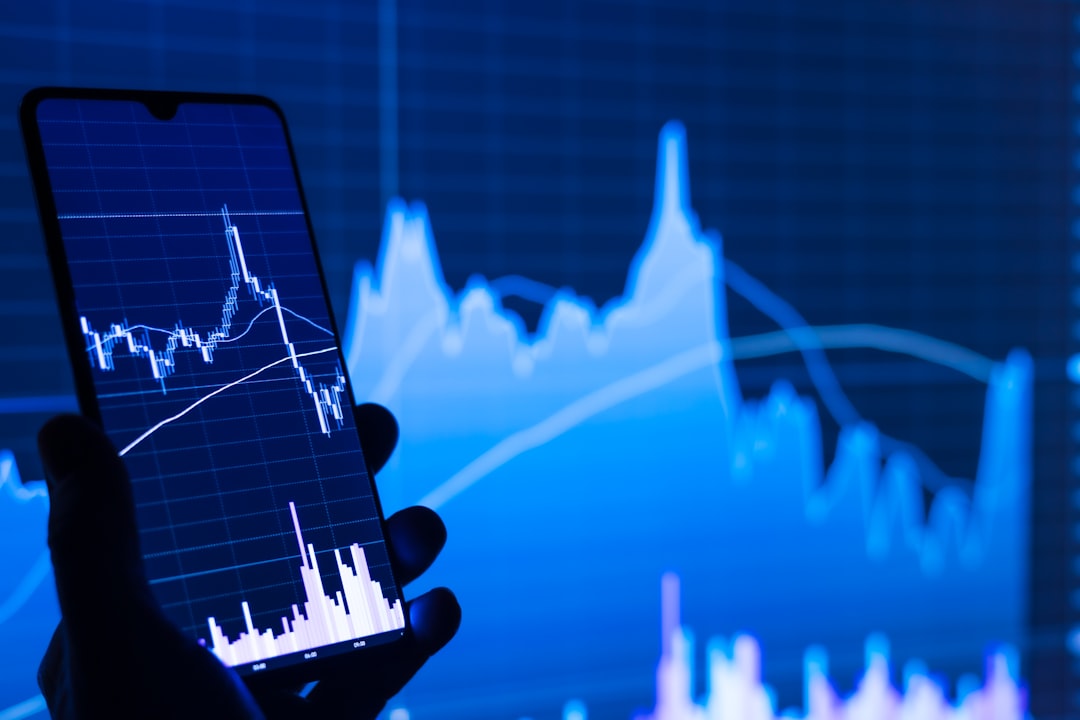
Waking up and seeing your forex trades reflect careful research isn’t luck; it’s preparation. Advanced forex courses teach you how to read the market, not guess at it. These courses take you beyond basics, breaking down price charts and patterns that reveal where currencies might move next. For example, moving averages help smooth out price fluctuations so you spot trends faster. Once you can interpret these signals, setting a strategy that fits how much risk you’re willing to take becomes achievable. Many traders miss that technical analysis is the foundation for sensible decisions, not optional knowledge.
Risk management often gets overlooked until losses pile up. Setting stop-loss limits is a simple yet powerful way to protect your capital. If you expect the euro to rise against the dollar but it drops instead, a stop-loss order automatically closes your position before losses grow too large. Courses stress balancing potential gains with the risk of losing money, a skill that takes practice. Experienced traders usually keep an eye on their trade journals to track what works and what doesn’t, cutting down on repeated mistakes.
Economic indicators shape currency values every day. Understanding reports like employment rates or GDP growth gives you a heads-up on market shifts. Take Australian job numbers: if they climb, the Australian dollar often strengthens as investors gain confidence in that economy. A trader who checks these stats regularly can adjust their positions before markets react sharply. It’s common to misread or overlook these data points without proper training, which can lead to losses or missed opportunities.
Choosing the right forex course means looking for programs that offer hands-on trading practice in real-time markets. Watching charts in a simulated environment doesn’t match the pressure and unpredictability of live trading. Access to mentors who have been through market swings helps too. They share insights textbooks don’t cover, like managing emotions during sudden drops or spotting fake breakouts. Those subtle lessons build confidence and reduce costly hesitation when placing orders.
Feedback from course participants often highlights how their approach changed after training. Hearing stories about turning inconsistent results into steady profits shows the value of structured learning. Many mention keeping detailed notes on their trades as a habit formed during the course, which helps identify patterns in their own behavior. This peer environment also fosters discussions where traders exchange tips on reading charts or reacting to news events faster.
If you’re unsure where to start, some providers offer a free trader success strategy session. These sessions evaluate your current skills and help set achievable goals tailored to your experience. Such resources provide a clearer path forward without overwhelming you with unnecessary jargon or complex setups right away. Getting this kind of practical advice early can save time and prevent frustration down the line.
It pays to pick a training provider with a solid track record and transparent operations. Look for programs refined over years based on student outcomes and market changes, not just flashy promises. Reliable courses update their materials regularly and offer clear explanations on how global events impact currency pairs. For those ready to explore options, visit advanced forex trading resources tailored to serious traders aiming for growth.
Forex trading demands constant attention to detail and adaptability, skills built through disciplined study and practice. Daily tasks like reviewing economic calendars before trading and noting recurring chart setups become second nature after completing a good course. Avoid jumping into trades without a plan, many traders suffer because they don’t stick to predefined entry and exit rules. Establishing these habits early improves consistency and helps manage stress.
For broader market context and ongoing updates, consider exploring forex market analysis services. These tools offer regular commentary on currency movements and key events affecting global markets, helping traders stay informed and responsive.