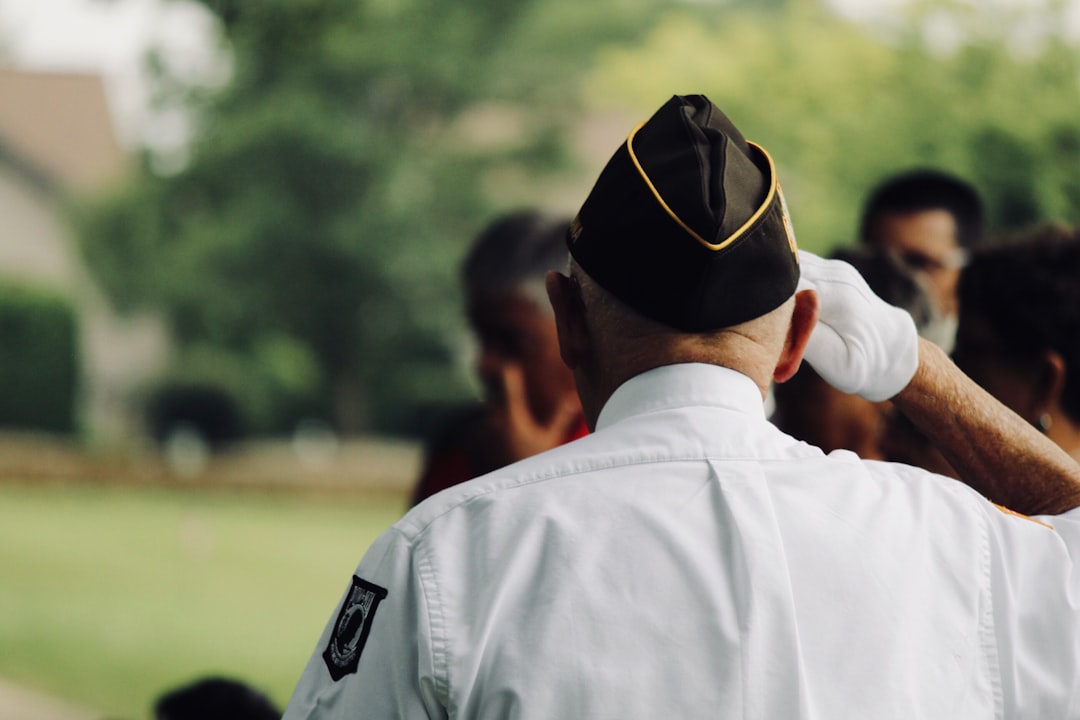
Female veterans have long played a significant role in the United States Armed Forces, yet their stories and needs are often overlooked. As more women serve and transition out of the military, greater attention is being drawn to the unique challenges they face, both during and after their service. From navigating healthcare systems to finding community support, female veterans are working to build stronger networks and ensure their voices are heard.
Women have served in every major conflict since the Revolutionary War, but only in recent decades have they begun to receive the recognition and services that match their contributions. Today, women represent almost 11 percent of the veteran population, a number that continues to grow. Despite this, many female veterans report feeling invisible or misunderstood when seeking benefits or participating in veteran communities.
One of the most pressing challenges is accessing comprehensive healthcare tailored to women’s needs. While the Department of Veterans Affairs (VA) has made progress in expanding services, disparities still exist. Female veterans often experience delays in receiving care or must travel long distances to access specialized providers. Mental health services, particularly those addressing military sexual trauma, are also in high demand but not always readily available.
Efforts to raise awareness and provide resources have led to the rise of organizations focused specifically on female veterans. These groups offer everything from mentorship and career development to wellness programs and advocacy. By creating spaces where women can connect with others who share similar backgrounds, these organizations help combat the isolation many feel after separating from the military.
Transitioning to civilian life is another area where female veterans face distinct obstacles. Employment, housing, and education pathways often lack the support systems needed to ease this shift. Many women juggle additional responsibilities such as single parenthood or caregiving, which can complicate their ability to access training programs or pursue new careers. Tailored initiatives that account for these responsibilities are vital to their long-term success.
Community connection is a powerful factor in veteran well-being. Locally based events, peer support groups, and digital networks provide spaces for women to share experiences, find resources, and advocate for policy changes. These efforts not only help individual veterans but also strengthen the broader community by highlighting their contributions and addressing systemic gaps. Resources like the Women Veterans Alliance play a pivotal role in building these connections and amplifying the voices of women who have served.
As society continues to recognize the diverse makeup of the veteran population, it becomes increasingly important to ensure that female veterans are not left behind. Addressing their healthcare, employment, and social support needs requires collaboration across government agencies, nonprofits, and communities. Their experiences and insights are invaluable in shaping the future of veteran services.
By supporting female veterans through targeted programs and inclusive outreach, we honor their service and invest in a more equitable future. Their strength, resilience, and dedication deserve recognition not just in words, but in meaningful action that supports their continued growth and success beyond the uniform.