Planning a community event to honor veterans can quickly become overwhelming. You might start with a vision of a large, meaningful celebration but soon face hurdles like limited venue options, low turnout, or unclear communication. These obstacles are common and can stall even the best intentions. Understanding what often goes wrong can save you time and stress, helping you create an event that truly respects and connects with the military community.
Finding the right venue is often tougher than expected. Not all spaces suit veterans’ needs, especially regarding accessibility. A location with tight parking or stairs without ramps can discourage those with mobility challenges. It’s smart to look for venues experienced in hosting veteran groups, they tend to have accommodations like reserved parking spots, accessible restrooms, and a respectful atmosphere. I’ve seen planners save headaches by visiting potential sites multiple times, checking details like seating layouts and lighting to ensure everything fits the event’s purpose.
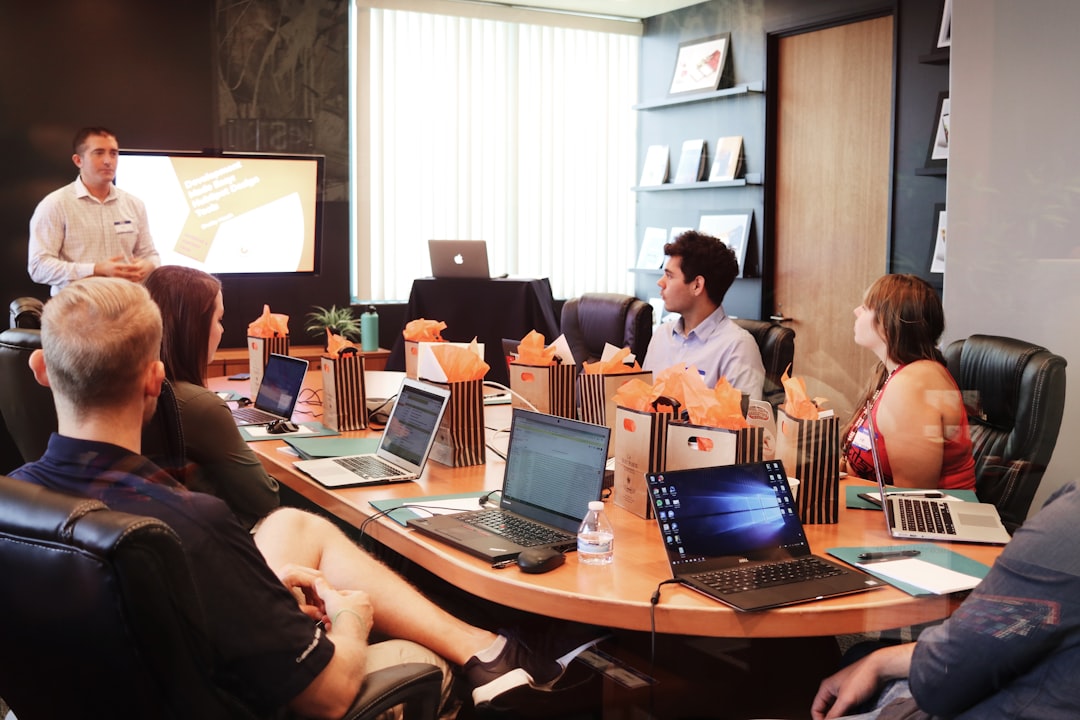
Programs that only include speeches or ceremonies rarely keep attendees engaged. Adding interactive elements helps. Workshops on topics such as transitioning to civilian jobs or mental health resources connect veterans more deeply. Panel discussions where veterans share real stories provide authenticity and foster trust. It’s important to offer a range of activities reflecting the diversity within the veteran community, some may prefer technical skills workshops, others might appreciate creative outlets or social mixers.
Marketing often falls short because planners underestimate where veterans spend their time online. Traditional advertising misses the mark. Targeting Facebook groups dedicated to veterans or niche forums can boost participation. Partnering with local veteran organizations also helps spread the word through trusted networks. I recommend drafting clear, concise messages and scheduling posts regularly rather than one-off blasts. Consistency builds recognition and encourages more sign-ups.
Strong partnerships with community businesses bring extra value to your event. Collaborate with companies known for supporting veterans, such as catering services that employ former service members or local stores offering discounts to vets. These partnerships enrich your event while strengthening local ties. Clear communication about expectations is key, agree on roles, deadlines, and responsibilities early to avoid confusion later.
Don’t overlook the small but critical details. Seating arrangements that separate groups unintentionally can create discomfort. Audiovisual equipment glitches are common without proper testing. Conduct a full walk-through at least a day before the event and test microphones, projectors, and lighting. Also, have backup plans, extra chairs, extension cords, or printed materials ready. These practical steps prevent last-minute scrambling and improve attendee experience.
After the event ends, keep the connection alive. Sending out surveys shows you value feedback and helps refine future gatherings. Consider creating a newsletter or social media group focused on ongoing veteran issues, this fosters ongoing dialogue and community support. I’ve seen events spark long-term engagement when organizers maintain these channels.
Staying current on trends in veteran events is helpful too. Resources like veteran business events offer up-to-date advice and ideas. Reviewing such guides before planning ensures you’re not repeating avoidable mistakes and can introduce fresh approaches.
Approach your next veteran event with clear planning and honest engagement. Address common challenges early, communicate openly with partners, and use available resources to create a meaningful experience that honors those who served our country. For ongoing advice and inspiration about veteran gatherings, visit veteran community support resources.