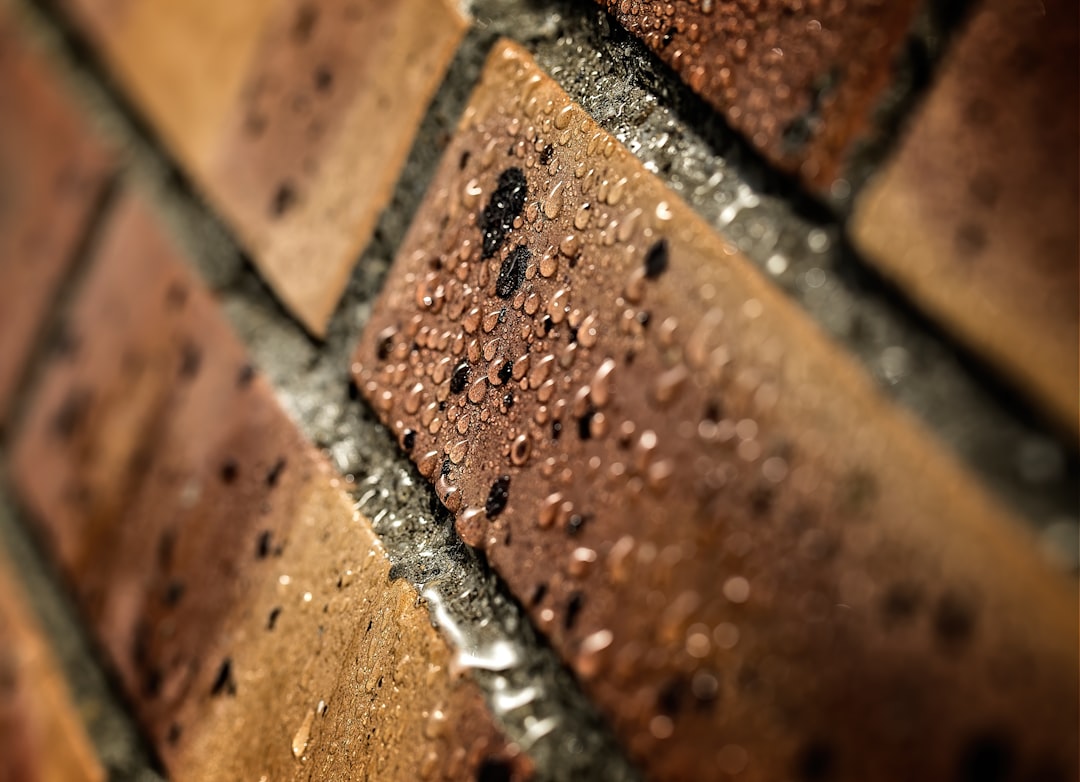
Water intrusion in basements or foundations can cause serious damage, from mold growth to structural weakening. Preventing water seepage is not just about comfort but also about protecting your property’s integrity. Liquid membranes offer a straightforward way to create a waterproof barrier that sticks tightly to surfaces and keeps moisture out. They’re flexible, durable, and can be applied on multiple materials, which makes them a practical choice for many waterproofing jobs.
The SEMCO Liquid Membrane works well on surfaces like concrete, timber, and even underwater areas such as pools and fountains. Its ease of use means you don’t have to be a professional to get good results. After cleaning and prepping the surface properly, removing dirt, oil, or loose particles, you can apply it with a brush or roller. One pint usually covers around 50 square feet, but coverage can vary based on surface texture, so measuring your space carefully helps avoid running short or wasting product.
This product bonds effectively whether you’re working inside or outside. It holds up against rain, sun, and temperature changes without cracking or peeling. Because it cures into a rubbery layer, it adapts to slight shifts or movements in the building materials without breaking the seal. That flexibility makes it a reliable choice for both residential basements and commercial structures exposed to harsh weather.
Applying the membrane requires some care. The surface must be completely clean and dry before you start. Mixing the material according to the instructions is key, too much water or improper stirring can weaken adhesion. Applying thin coats and allowing proper curing time between layers prevents bubbling or uneven coverage. A common mistake is rushing the process, which often leads to premature failure and costly repairs later.
Besides keeping water out, this membrane shields surfaces from UV rays and chemicals, extending the life of whatever it covers. This added protection is valuable for outdoor installations like rooftop decks or pool surrounds where exposure to sunlight and cleaning agents is frequent. Facility managers often report fewer maintenance issues after switching to a membrane that withstands these conditions.
For those new to liquid membranes, online step-by-step guides are a great resource. They often include tips on avoiding air bubbles, ensuring complete coverage, and troubleshooting common problems like peeling edges. If you hit snags or need advice tailored to your project’s specifics, consulting with someone experienced in waterproofing can save time and prevent costly mistakes.
Keeping up with innovations in waterproofing materials helps you make informed choices. Subscribing to industry newsletters or forums can alert you to new products or improved application methods before they become widely known. When researching options, reliable information empowers you to select the right membrane for your needs and avoid products that underperform.
For more detailed information about liquid membranes and their applications, visit water membrane solutions tailored for various needs.
If you want to explore other construction materials and resources, check out building materials guide.