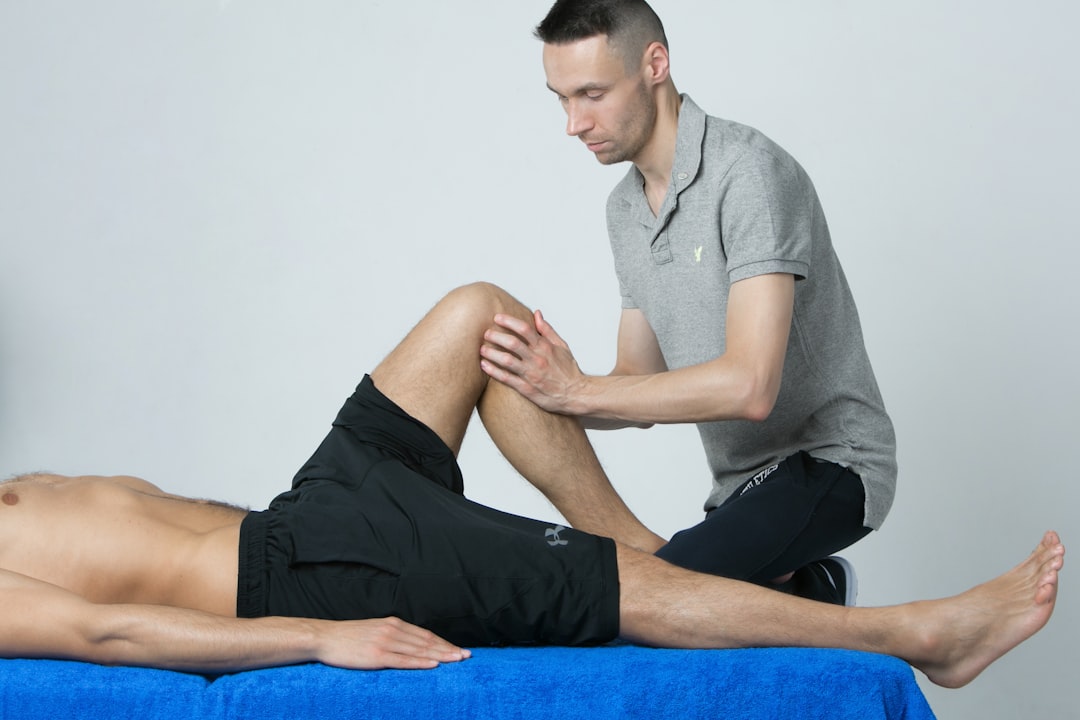

Physiotherapy covers a broad range of physical problems, from post-surgical recovery to managing ongoing conditions like arthritis. It suits all ages, whether you’re an older adult regaining strength or an athlete healing from a sprain. For example, after a sprained ankle, targeted exercises can rebuild stability and flexibility. People with arthritis may work on joint mobility exercises that ease stiffness and reduce pain without overexertion.
Your first visit usually starts with a thorough evaluation. The physiotherapist asks about your symptoms, daily habits, and health background. They’ll observe how you move, test muscle strength, and identify imbalances or weaknesses. This step is often more detailed than expected; it might include watching how you walk or perform certain tasks. Such insights help avoid generic treatments and focus on what will work best for your body.
Treatment methods vary depending on what you need. Manual therapy uses hands-on techniques to relax tight muscles and improve joint movement. Therapeutic exercise targets weak areas to build strength and flexibility progressively. Tools like ultrasound or electrical stimulation can reduce pain and encourage healing. Each session aims to give you tools for managing your condition long-term, not just quick fixes.
Sports physiotherapy focuses on athletes dealing with injuries or wanting to prevent them. It often involves customized exercise plans that improve performance while reducing injury risk. Say a runner struggles with shin splints; a sports physiotherapist might recommend calf stretches, strengthening drills for lower leg muscles, and advice on shoe types to avoid aggravation. Understanding your sport’s demands is key to effective rehab.
Spinal physiotherapy addresses issues such as back pain and sciatica by combining spinal mobilisation techniques with posture correction and targeted exercises. These approaches relieve nerve pressure and improve core stability. A patient with chronic back pain might receive education on lifting techniques combined with exercises that strengthen abdominal and back muscles to support the spine more effectively.
Clinics like Falcon Clinic and Lakelands Clinic offer personalized care tailored to individual needs, often extending beyond standard treatments. They provide programs for children, the elderly, or those needing specialized rehabilitation. Collaboration between therapists ensures each plan considers the whole person, not just isolated symptoms. Such clinics also emphasize communication, so patients understand their progress and what steps come next.
If you want to explore local options, resources like lakelands physio offer clear information on available services in the area. Taking time to review such resources helps set realistic expectations before starting therapy.
Whether recovering from injury or aiming to prevent future problems, physiotherapy provides practical strategies for regaining movement and improving life quality. With expert guidance and consistent effort, achieving personal health goals is within reach. Clinics also often ask patients to keep simple daily logs of pain levels and activity tolerance, which helps fine-tune treatment plans and avoid miscommunication about progress.