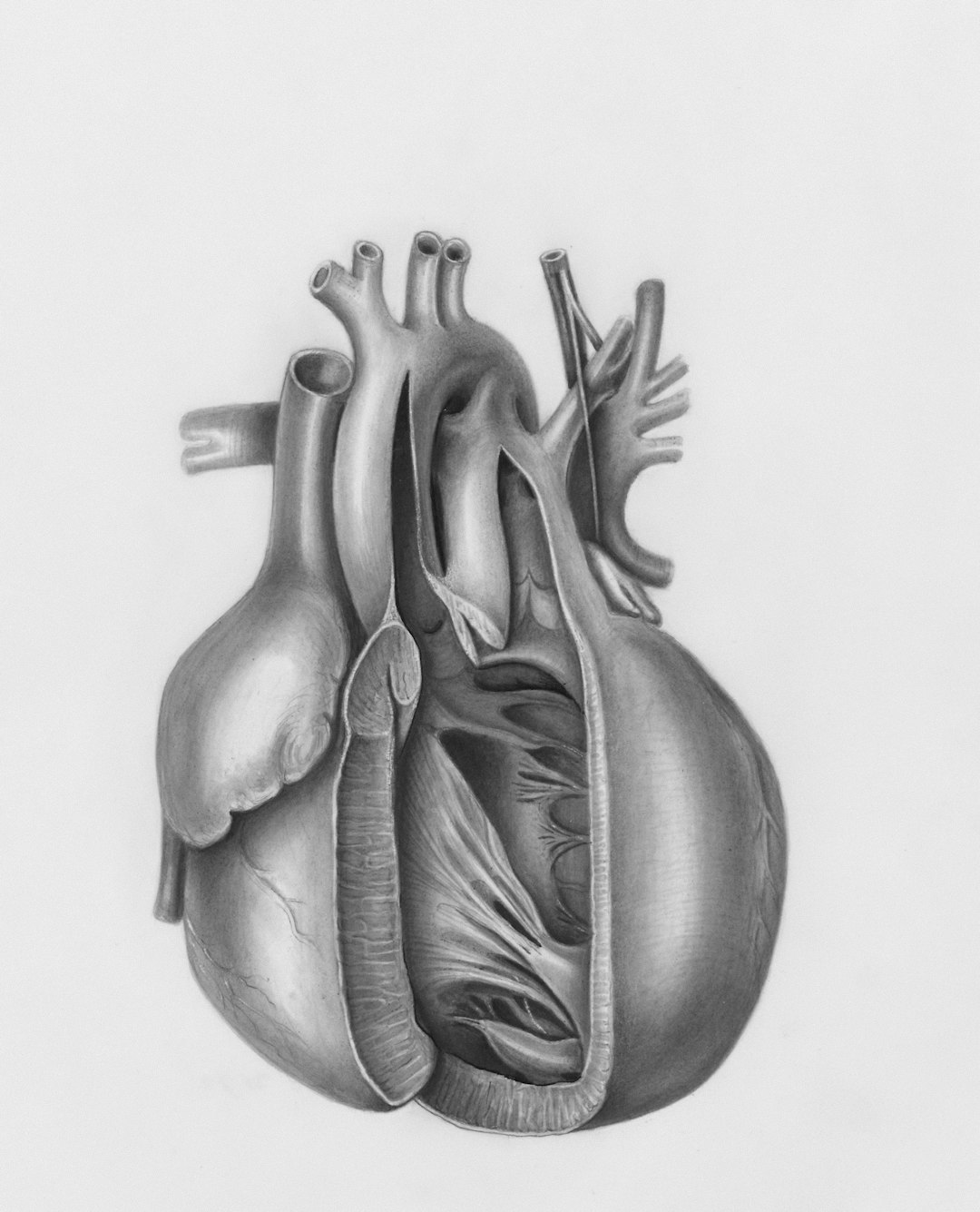
Echocardiography plays a central role in the modern assessment and diagnosis of heart conditions. By using ultrasound waves to create images of the heart, this non-invasive procedure enables cardiologists to observe the heart’s function and structure in real time. It assists in identifying a wide range of cardiac issues, from minor valve disorders to complex congenital heart defects. As a result, echocardiography has become indispensable in both routine check-ups and emergency cardiac assessments.
The procedure works by placing a small device called a transducer on the chest. This transducer emits high-frequency sound waves that bounce off the structures of the heart, producing echoes that are then converted into visual images. These images give clinicians critical insight into how well the heart chambers and valves are functioning. It also helps measure the size of the heart and assess blood flow patterns. Because it does not involve radiation and is generally painless, echocardiography is considered safe and suitable for repeated use.
There are several types of echocardiography, each tailored to specific diagnostic needs. Transthoracic echocardiography is the most common and involves placing the transducer on the chest wall. Transoesophageal echocardiography, on the other hand, involves inserting a specialised probe down the oesophagus for clearer images, particularly useful in evaluating the heart’s posterior structures. Stress echocardiography is used to assess how the heart functions under physical exertion, while contrast echocardiography involves the use of a contrast agent to enhance the visibility of cardiac structures.
Advancements in technology have significantly improved the quality and diagnostic power of echocardiography. Three-dimensional imaging and Doppler techniques now allow for more detailed evaluations of blood flow and heart mechanics. These improvements have not only increased diagnostic accuracy but also reduced the need for more invasive procedures. For example, issues that once required exploratory surgery can now often be diagnosed through high-resolution echocardiographic imaging.
In clinical practice, echocardiography is used to monitor patients with known heart conditions, such as cardiomyopathy or valve disease. It is also instrumental in evaluating symptoms like chest pain, shortness of breath, or fatigue, which may be related to underlying cardiac problems. By providing real-time information, it enables timely decision-making and helps guide treatment plans. For those involved in cardiac surgery or interventional cardiology, echocardiography is crucial both before and after procedures to ensure optimal outcomes.
Given its broad applications, echocardiography is often the first step in evaluating suspected heart problems. Its ability to provide immediate, accurate information without the risks associated with more invasive tests makes it a preferred choice among healthcare professionals. Moreover, it plays a key role in preventive cardiology, helping identify risk factors earlier and allowing for lifestyle or medical interventions that can reduce the likelihood of serious heart events.
Patients undergoing echocardiography are typically advised to follow some basic preparations, depending on the type of test. For example, fasting may be required for a transoesophageal echocardiogram. The procedure itself usually lasts between 30 to 60 minutes, and the results are often available shortly afterwards. This quick turnaround is particularly valuable in acute care settings, where time-sensitive decisions are essential.
Incorporating echocardiography into routine cardiac care has not only improved diagnostic capabilities but also enhanced patient confidence in their treatment journey. The clarity it provides supports informed discussions between physicians and patients, empowering individuals to take an active role in their heart health. As awareness of cardiovascular health continues to grow, so too does the relevance of this imaging technique.
To learn more about how echocardiographic services are integrated into comprehensive cardiac care, visit this cardiology clinic in Sydney for more information on available diagnostic solutions and expert consultations.