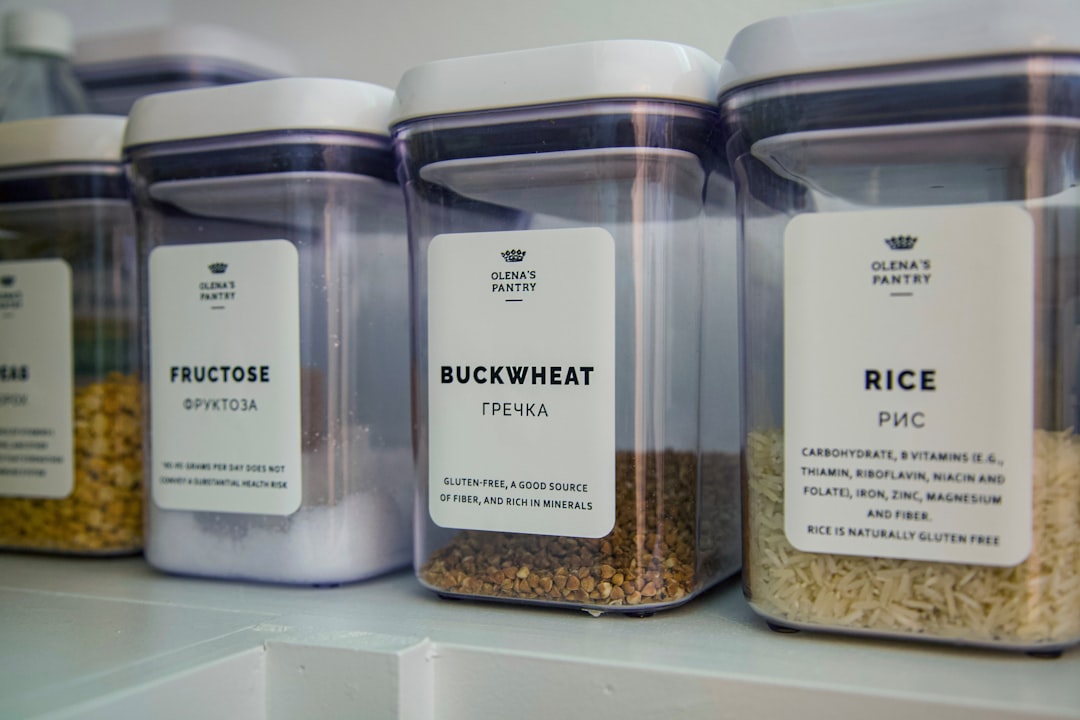
In today’s competitive market landscape, customised labels have become an integral component of product presentation and brand identity. Whether it’s for food packaging, cosmetics, household goods or industrial supplies, the role of a customised label extends far beyond basic identification. It communicates crucial information, supports regulatory compliance, and most importantly, reinforces brand recognition. As consumer expectations evolve, businesses are increasingly turning to custom labelling solutions to differentiate their products and attract attention in crowded retail environments.
One of the most compelling advantages of customised labels is their ability to align with a brand’s visual identity. From colour schemes and typography to layout and imagery, a well-designed label conveys professionalism and consistency. This visual coherence helps build trust among consumers, making products more memorable and appealing. For start-ups and small businesses, customised labelling offers a relatively low-cost opportunity to establish a strong shelf presence, especially when competing against larger, more established brands.
In addition to visual appeal, customised labels can be tailored for functionality. Depending on the product and its intended use, labels may need to be waterproof, heat-resistant, or tamper-evident. For example, labels designed for refrigerated goods must withstand moisture, while those used in healthcare settings often require detailed batch tracking and expiration dates. These practical considerations make the choice of labelling material and adhesive crucial. Fortunately, options for customised labels are vast, allowing for precise specifications to be met without compromising on design.
Another key aspect of customised labelling is regulatory compliance. Industries such as food and beverage, pharmaceuticals, and chemicals are subject to strict labelling requirements. These may include ingredient lists, allergen warnings, usage instructions, and safety symbols. Customised labels ensure that such information is presented clearly and legibly, helping businesses avoid legal issues and build consumer confidence. With evolving regulations across different markets, having the flexibility to update and adapt label content is a practical necessity.
Customised labels also play a strategic role in marketing and seasonal promotions. They can be easily adapted for limited-edition products, holiday themes, or special events, giving brands an opportunity to refresh their product line and encourage repeat purchases. This agility is particularly valuable in fast-moving consumer goods sectors, where trends can shift rapidly. Moreover, incorporating QR codes or unique serial numbers into labels can enhance consumer engagement by linking directly to digital platforms, loyalty schemes, or product traceability information.
From a production standpoint, advancements in digital printing have made customised labelling more accessible and cost-effective. Short print runs, quick turnaround times, and reduced setup costs mean that businesses of all sizes can benefit from professional-quality labels without needing to commit to large volumes. This is particularly advantageous for niche producers or artisan manufacturers who require flexibility in their labelling approach.
Sustainability is another growing concern in the realm of product labelling. Increasingly, businesses are seeking eco-friendly label materials and adhesives that can be recycled or biodegraded. Customised labels can be produced using sustainable substrates, contributing to a brand’s environmental commitments and appealing to eco-conscious consumers. This shift not only aligns with broader corporate responsibility goals but also responds to customer demand for ethical and transparent practices.
The process of creating customised labels typically begins with understanding the specific needs of the product and the brand. Factors such as the shape and size of the packaging, the environmental conditions it will face, and the target audience all play a role in determining the best labelling solution. Collaborating with experienced label manufacturers can help ensure that the final product meets both aesthetic and functional requirements.
For businesses considering a move towards more tailored labelling solutions, it’s important to evaluate providers who offer a wide range of materials, printing techniques, and design support. Whether launching a new product or rebranding an existing one, customised labels can significantly enhance marketability and consumer perception. For more insights into available options and services, visit professional label printing experts who specialise in creating tailored labelling solutions for various industries.
In conclusion, customised labels are more than just decorative elements. They serve as a vital touchpoint between a brand and its consumers, delivering both practical information and emotional impact. As businesses continue to innovate and respond to changing consumer demands, investing in high-quality, customised labelling will remain a key strategy for success.