You open the door to your coffee shop, expecting customers to flow in with ease. Instead, you watch them pause, unsure where to go. The problem often lies in the layout. Furniture placed without thought can break the natural foot traffic and create bottlenecks. A smartly designed space not only improves how customers feel but also helps your team work faster. For example, placing the order counter right where people enter makes the process clear from the start. Avoid tight corners near the door that make customers hesitate.
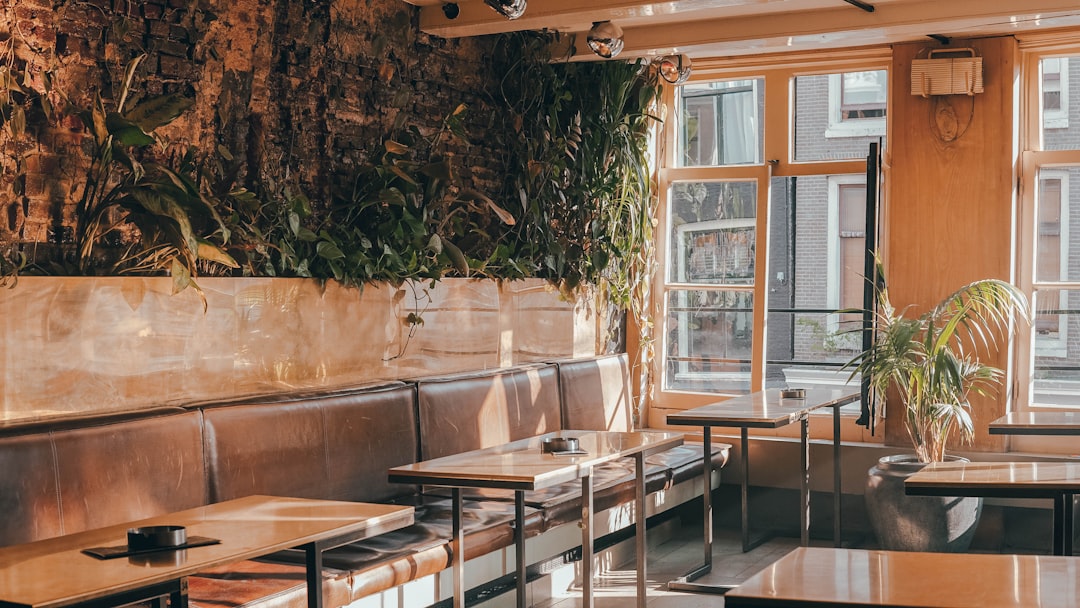
Think about the customer’s path through your shop. They should move smoothly from entrance to ordering, then find a seat or browse retail items. Mixing seating types works well: long communal tables encourage conversation and can fill quickly during busy times, while small booths or window seats offer privacy for those who want it. Staff need clear sight lines and easy access; cramped spaces slow down service and frustrate everyone.
Zoning is key to keeping things organized. Separate where orders are taken, where customers sit, and where merchandise is displayed. A well-placed pastry case near the entrance can catch attention and boost impulse buys. It also helps avoid crowding around the counter. Staff often appreciate having a dedicated prep area behind the barista station, with machines and tools arranged logically. Grouping the grinder, espresso machine, and milk steamer close together cuts wasted steps and speeds up drink preparation during rush hours.
Behind the counter, efficiency matters. Baristas should be able to move fluidly between tasks without backtracking. For instance, placing cups, syrups, and toppings within arm’s reach reduces unnecessary movement. Some shops use checklists or maps taped under counters to keep setups consistent between shifts, cutting down on errors and confusion during busy periods.
Lighting sets the mood and can affect how long customers stay. Natural light brightens the space and makes it feel welcoming during the day. In the evening, softer, warmer lights create a relaxed vibe. Adding plants or local artwork gives your shop character and something for customers to notice and talk about. These details turn a routine coffee run into an experience.
Accessibility is often overlooked but vital. Ensure aisles are wide enough for wheelchairs or strollers without forcing detours. Keep furniture placement flexible so it can be rearranged when needed. Signage should be clear without cluttering walls or overwhelming customers. Making your space genuinely welcoming means everyone feels comfortable spending time there.
For those aiming to dig deeper into effective design and operations, our coffee shop layout ideas course offers practical guidance from people who have been through it all. Their shared experiences highlight common pitfalls like ignoring peak hour flows or overcomplicating seating plans.
Finally, after opening, pay close attention to feedback from staff and customers. They will point out issues you might not see yourself, a crowded corner where no one wants to sit, or a counter layout that slows barista speed. Regularly revisiting your layout with fresh eyes and willingness to tweak keeps your shop running smoothly and comfortably.
Successful coffee shop layouts balance customer comfort with efficient workspaces. Thoughtful decisions about flow, seating variety, equipment placement, lighting, and accessibility all add up. With careful planning and open ears to your team and patrons, you’ll create a space that feels natural to move through and makes customers want to come back again.