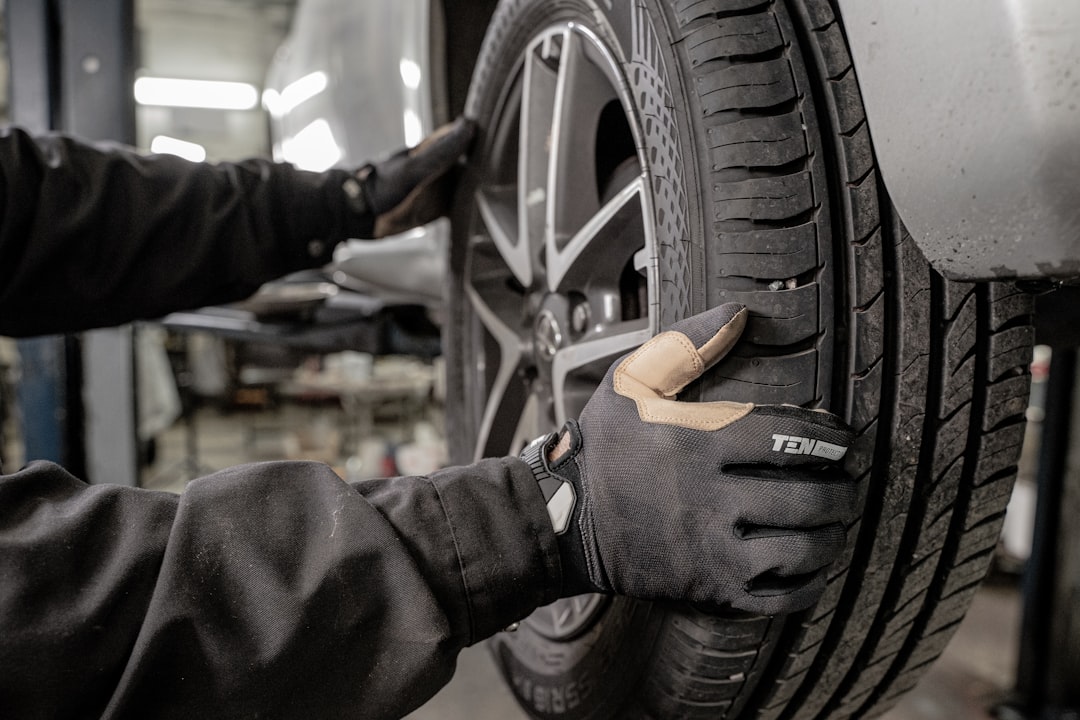

All terrain tires usually blend different tread styles to handle mixed conditions. Larger gaps in the tread help clear mud and water, improving traction in sloppy or wet environments, while closer patterns keep the ride stable and quiet on asphalt. If you’ve ever been stuck in mud because your tires couldn’t bite through, you know the value of a tread that works in varied settings. Finding that middle ground can make all the difference between a smooth ride and a frustrating one.
Durability also matters. Off-road routes throw sharp rocks, sticks, and debris at your tires. Sidewall strength is critical here. Tires with reinforced sidewalls resist cuts and punctures better, saving you from roadside blowouts. Regular tires can fail quickly under these conditions. If your trips include rocky tracks, investing in tougher sidewalls is smart. It’s worth inspecting your tires regularly for small cuts or bubbles on the sidewalls that indicate damage.
How you manage tire pressure affects performance more than many realize. Running tires too soft leads to overheating and uneven wear, while too much pressure reduces grip on rough surfaces. A practical habit is checking pressures before every off-road trip and adjusting as needed. Carrying a portable air compressor helps you fix pressure on the go. Knowing your vehicle’s recommended pressure range for different conditions prevents costly tire damage.
Seasonal changes bring their own challenges. Not all all terrain tires handle snow and ice well. A set that performs fine through summer may lose traction in winter if it’s not rated for cold weather or snow use. Some drivers switch tires seasonally; others choose models designed to cope year-round. Check for the mountain snowflake symbol or similar ratings if you expect to face slippery winter roads. Proper tires reduce slip risks significantly.
Finding reliable all terrain tires tailored to your vehicle and driving style can be confusing. Many retailers offer guidance; don’t hesitate to ask questions about tread depth, rubber compounds, and weight ratings. Research online can also point you toward dealers with a wide selection for 4x4s and light trucks. Visiting all terrain tires sections at local stores or browsing online helps compare features and prices before committing.
Your choice impacts not just how your vehicle performs but how safe it feels when roads turn unpredictable. Understanding tread patterns, sidewall quality, inflation practices, and seasonal suitability lets you pick tires that match your needs. Ignoring these details often leads to early tire wear, poor traction, or inconvenient breakdowns. For well-rounded advice and options, check out practical tyre advice online. Taking time to get the right set pays off every mile you drive off the beaten path.