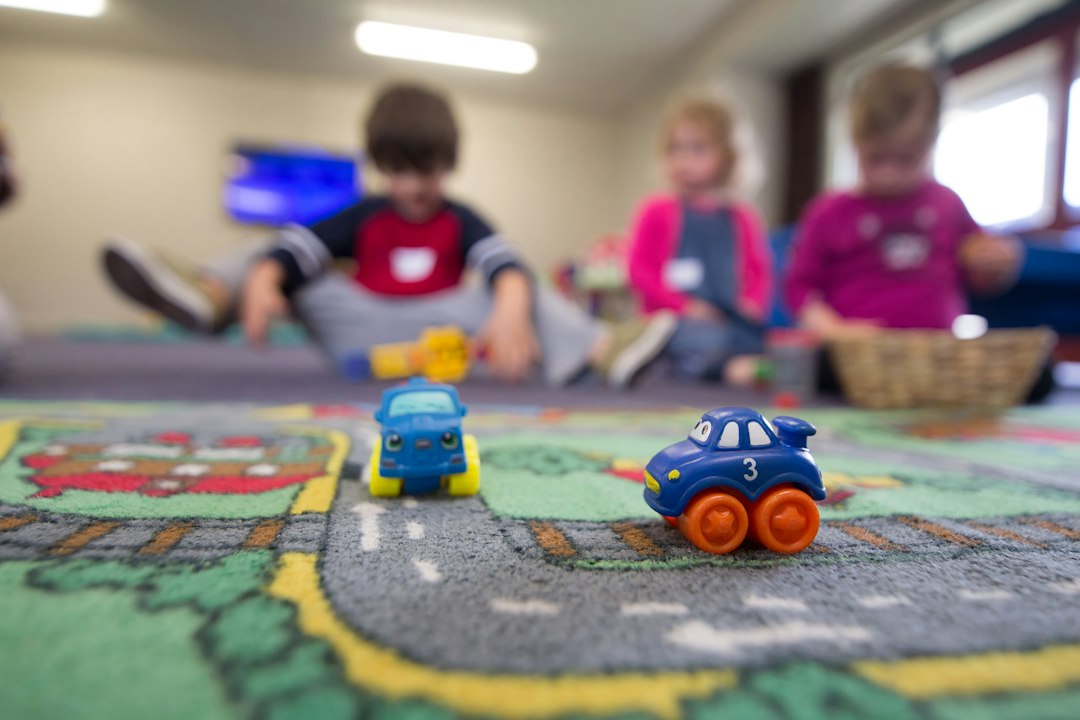

A visit should show you how the service operates, not just how its rooms look. Families comparing childcare te anau options can watch whether adults get down to the children’s level, whether materials are within reach, and whether the room feels orderly without being overly controlled. Ask how parents receive updates and how staff record naps, meals, accidents, medication, and significant changes in mood. It is useful to visit at a normal busy time rather than relying only on a scheduled tour. Take notes immediately afterwards, since details such as noise, staff availability, and children’s engagement are easy to blur together.
Early learning is not limited to children sitting at tables completing set tasks. Play can involve planning, language, physical coordination, cooperation, and persistence, particularly when educators pay attention to what children are trying to do. A child building with blocks may test balance, negotiate for another piece, rebuild after a collapse, and explain an idea to a friend. An educator might extend that investigation by offering different materials or asking a question. Children also develop through movement, conversation, imitation, and repeated attempts. Their progress will not always look identical, because temperament, home language, interests, and prior experiences affect how they participate.
The educator-to-child ratio is one practical point to discuss, although it should not be treated as a complete score for quality. Staffing levels affect how readily adults can notice a child who needs help, support a disagreement, or join a conversation without leaving others unattended. Ask which age group your child will enter and whether groups combine during outdoor play, meals, opening hours, or quiet periods. Find out what happens when a regular educator is away. A child who is comfortable with six familiar children may respond differently when several groups share one space. The daily pattern matters as much as the stated ratio.
Ask how the service builds familiar relationships with children. In early childhood, attachment refers to the trusting connection that allows a child to seek comfort, explore, and return to an adult when something feels difficult. A secure relationship does not require a child to remain cheerful or stay beside one educator throughout the day. A toddler may cry during separation, accept reassurance from a familiar adult, and later become involved in sand or water play. Staff should be able to explain how they read individual cues, comfort children, and share relevant observations with families. It is also worth asking whether a consistent key educator supports the settling process.
Settling in has no fixed timetable. Some children separate quickly but become tired, irritable, or unusually quiet later. Others cry at each arrival for a period, then recover more quickly once the sequence becomes familiar. If the service permits, shorter initial visits can provide a gradual introduction before the full attendance pattern begins. A comfort item may help if it is safe and accepted by the centre. Use the same short goodbye words each day, rather than leaving secretly or extending the departure. Families can also share changes at home, such as a poor night’s sleep or a new baby. For practical questions about settling in, ask staff what they want recorded and how they will report progress.
Te Anau families may need to weigh travel time, winter weather, work hours, and the availability of a backup adult. Read the service’s written policies before accepting a place. Pay particular attention to illness exclusions, authorised collectors, fees, food brought from home, sun protection, sleep arrangements, emergency contacts, and procedures for administering medication. Check whether the contact details on the enrolment form are still current, and tell staff who may collect the child before the first day. These small checks prevent a rushed phone call or an avoidable delay when plans change. Ask how families are notified about incidents and what information is supplied at collection.
The early childhood curriculum used in Aotearoa New Zealand supports areas such as wellbeing, belonging, contribution, communication, and exploration, but each service may express those aims through different routines and activities. Ask educators to describe a typical day, including arrival, meals, outdoor time, rest, toileting, and transitions between activities. A good conversation should cover your child’s sleep cues, food preferences, allergies, cultural practices, home language, comfort habits, and any medical or developmental information staff need to know. The strongest fit is usually a service with clear expectations, open communication, and a willingness to adjust everyday care around the child rather than treating every family in exactly the same way.