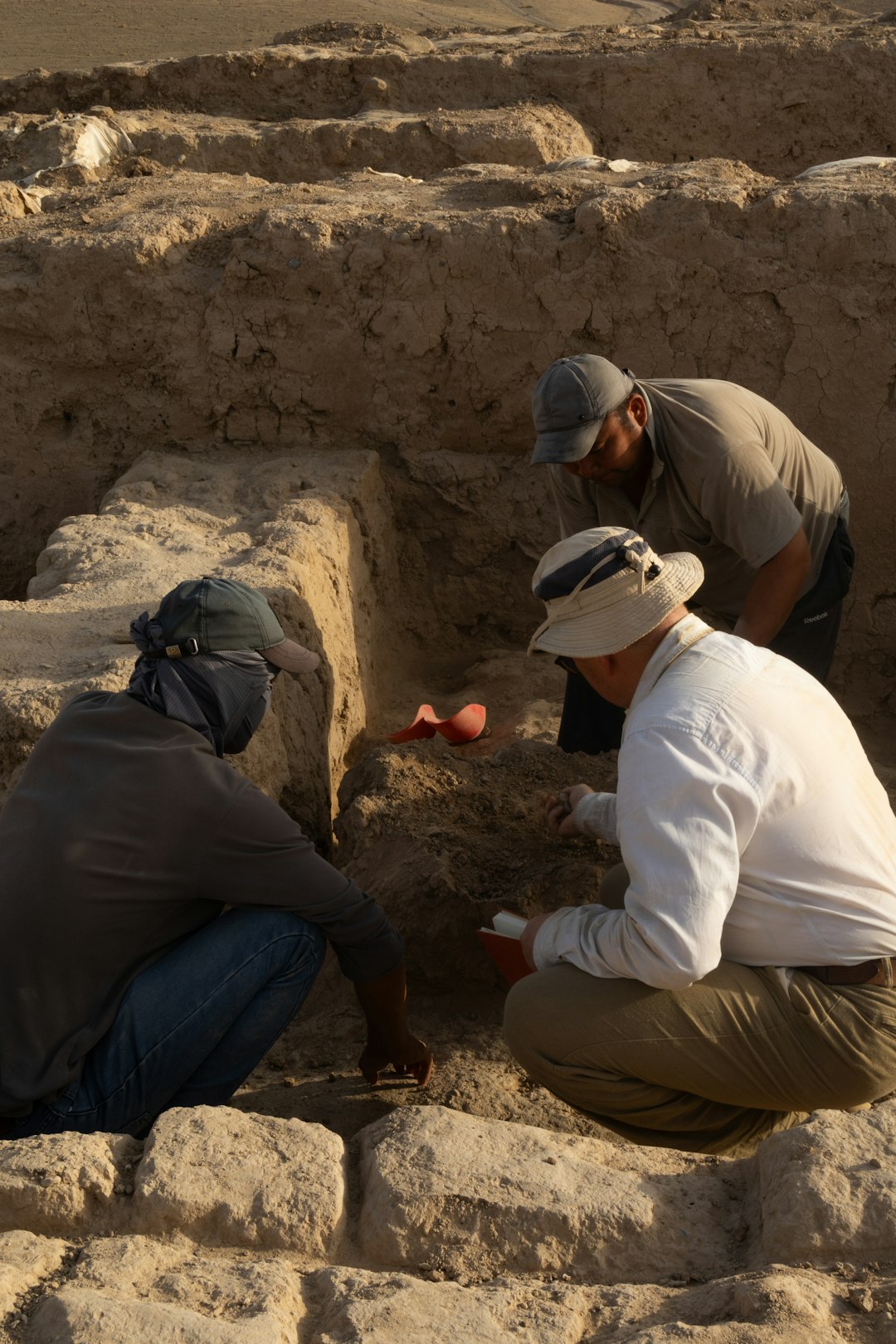

A local council faced backlash when developing a community park on land thought to be historically important. They skipped an Indigenous heritage assessment, and historical artefacts surfaced during site prep, sparking community outrage. This could have been avoided by consulting specialists familiar with Indigenous and historic heritage values. These consultants conduct thorough assessments and engage with local communities to ensure developments respect cultural ties. In practice, ensuring all stakeholders receive clear communication about heritage findings prevents misunderstandings and last-minute objections.
Indigenous heritage consulting involves more than just spotting artefacts; it means understanding the deep cultural connections land and objects hold for Indigenous people. Consultants help interpret these connections within legal frameworks, including compliance with the Aboriginal Heritage Act and other national regulations. They also assist in building respectful relationships between developers and Indigenous groups, which can smooth project progress. A common misstep is underestimating the time needed for community consultations, leading to rushed approvals or overlooked concerns.
Historic heritage assessments focus on evaluating the significance of old buildings or landscapes that might be affected by construction. Early assessments help identify protected sites or structures, allowing businesses to adjust plans proactively. This avoids expensive redesigns or work stoppages later. For example, reviewing local council heritage overlays and state heritage registers is a simple habit that can prevent costly surprises.
Recording and analyzing artefacts is a core part of archaeological consulting. When items are found, professionals document their exact location, condition, and context. This process not only meets legal documentation requirements but also contributes valuable information to the broader understanding of past human activity in the area. Detailed site recording often includes creating scaled maps and photographic records, which are crucial for any future research or dispute resolution.
Connecting with country reports offers a comprehensive view of how development projects affect Indigenous lands. These reports describe the spiritual and historical ties Indigenous peoples have with their ancestral lands, emphasizing why preservation matters during modern development. Developers using these reports can have more informed discussions with Indigenous communities, fostering respect and cooperation. A practical tip is to review these reports alongside environmental impact statements to see where cultural and natural values intersect.
Expert witness reports come into play when heritage issues lead to legal disputes. These documents provide well-researched opinions based on fieldwork and analysis, helping courts understand the significance of findings and the adequacy of management measures. Investing in knowledgeable consultants who can produce clear expert witness statements reduces the risk of costly litigation or project delays due to heritage claims.
Integrating archaeological consulting services into project planning improves compliance with heritage laws while building trust with local communities and stakeholders. For developers aiming to balance progress with respect for history, engaging archaeological consulting services is a smart move that avoids common pitfalls. Checking heritage registers early, maintaining open communication with Indigenous groups, and documenting findings thoroughly are practical habits that save time and money.
Understanding how heritage consulting influences projects across Australia is vital for responsible development. As new spaces are created, respecting both historical significance and community values leads to better outcomes. For guidance on working respectfully with heritage matters, consider heritage advice and assessments to support your next project.