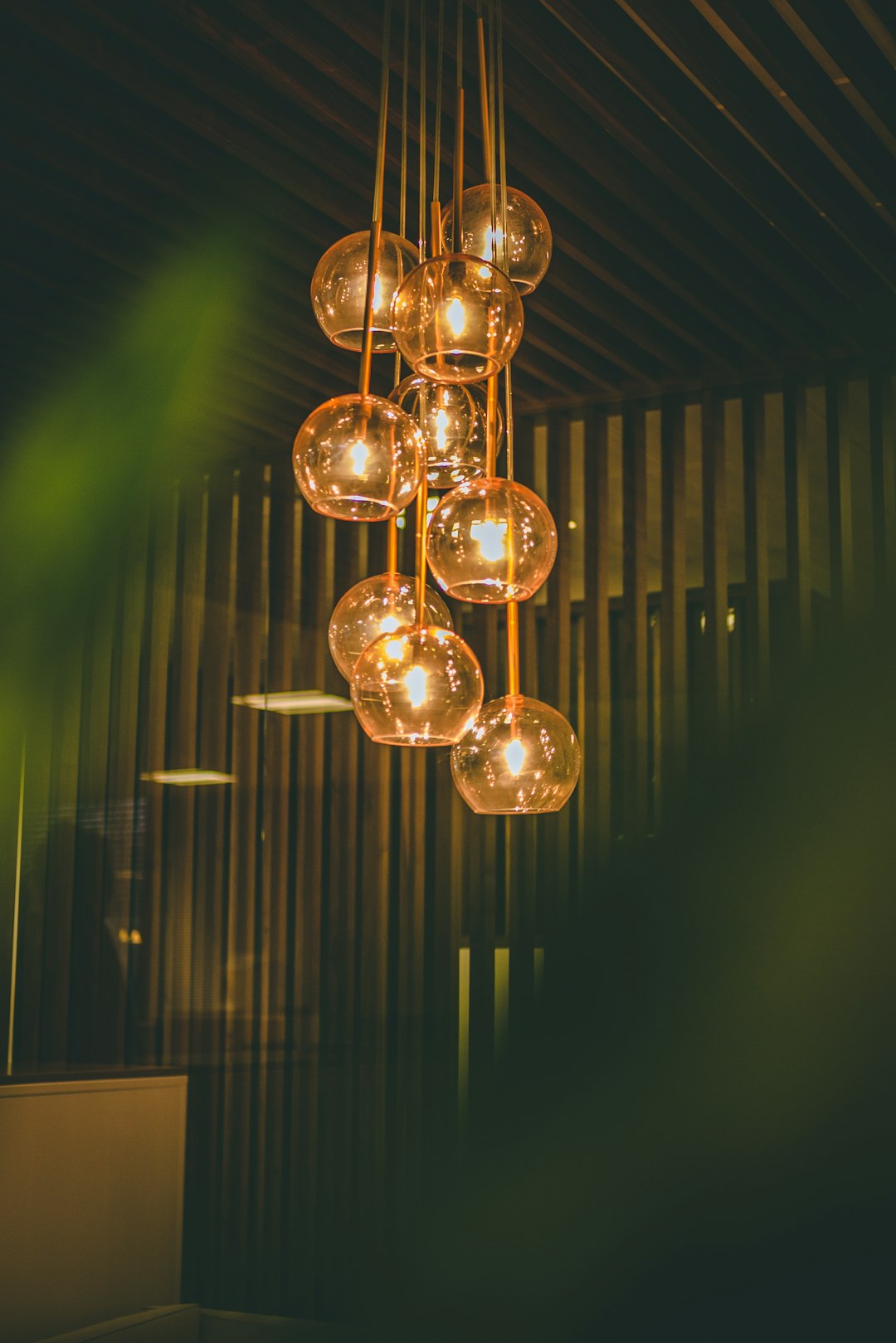

Natural alabaster is not uniform. Individual pieces can vary in cream, honey or pale grey tones, and the veining may be subtle in one shade and prominent in another. Translucency varies too, so two fittings with the same design can produce slightly different effects when illuminated. The stone passes some light through while scattering it, which reduces the hard appearance associated with a bare lamp. For that reason, an alabaster wall light should be assessed by its material, depth and proportions, rather than by a product photograph showing only the unlit outline.
Lamp output needs to match the job. Lumens describe the visible light produced by a lamp, although the shade and its position affect how much useful light reaches the room. A modest output may suit a bedroom, corridor or reading pause beside a chair. It may not provide enough light above a mirror or at a desk. In a narrow entrance, two lower-output fittings can spread light more evenly than one brighter fitting at the far end. Checking the proposed lamp specification before ordering also prevents the common mistake of judging brightness from wattage alone.
Colour temperature is another specification worth reading carefully. It describes the appearance of the light, measured in kelvins, rather than the physical heat of the lamp. Warm light generally supports a relaxed atmosphere in bedrooms, sitting rooms and dining spaces. Neutral white can make a bathroom, utility area or work surface appear clearer. Alabaster alters the perceived result by filtering and diffusing the lamp’s output. A warm lamp that looks lively in an open holder may appear subdued behind stone, so checking a sample under the intended lamp, or using the manufacturer’s stated colour temperature, is safer than relying on a label such as soft white.
A diffuser cannot correct every lighting problem. If the lamp sits very close to the rear of a long or shallow shade, the stone may show a concentrated bright patch instead of an even glow. The relationship between lamp position and shade depth matters, particularly on fittings viewed from the side. Dimming introduces a separate compatibility check. The dimmer, lamp and fitting must be suitable for one another; otherwise the lamp may flicker, dim only through a narrow range or change brightness abruptly. Recording the lamp model and dimmer specification before installation can save a return visit.
Location affects the electrical requirements. A fitting intended for a dry living room should not automatically be installed beside a bath or shower simply because its lamp is enclosed. The IP rating describes resistance to the entry of solids and water, and the relevant bathroom zone determines what level of protection and installation method may be appropriate. Local rules and the fitting’s instructions should be checked for the exact position. A qualified electrician can assess the existing wiring, fixings and switch arrangement. In a hallway, the practical checks may be simpler, but secure mounting and correct connections still matter.
Alabaster can suit contemporary interiors as well as traditional rooms. A small shade above a painted console may add depth without overwhelming a compact flat, while matching fittings on either side of a bed can provide balanced light for evening reading. Scale and spacing deserve a tape measure before any holes are drilled. Colour rendering index, or CRI, indicates how naturally a lamp displays colours compared with a reference source. A good result can make timber, upholstery and artwork look more convincing. Browsing alabaster lighting design ideas can help with proportions, but room measurements and lamp data should settle the selection.
Maintenance is straightforward if the stone is treated gently. Dust can collect in veining and around the shade’s upper edge, especially above a hallway table where fabric, coats and frequent door movement stir particles. A soft dry cloth is a sensible first step; if further cleaning is needed, use only a lightly damp cloth unless the maker gives different instructions. Avoid abrasive cleaners and rough sponges, which may mark the surface. Turn off the power before routine handling, and leave wiring or internal repairs to a qualified person. Replacing a failed lamp with a compatible type preserves both the fitting’s appearance and its intended light distribution.